Glaucoma—a term that resonates deeply for millions worldwide, often described in simple terms as “pressure of the eyes.” Yet, for those living with it, glaucoma is far more than a clinical definition. It’s a daily negotiation with a world that grows dimmer, a challenge that tests resilience, and a journey that underscores the power of love and support. For Evaline and her father, this journey has been one of perseverance, heartbreak, and unwavering devotion, offering a poignant reminder of the human spirit’s capacity to endure.
A Father’s Silent Struggle
Evaline’s father began noticing changes in his vision as early as 2014, though the symptoms may have crept in even earlier, subtle and unnoticed. Glaucoma, caused by increased intraocular pressure, gradually damages the optic nerve—the vital conduit responsible for transmitting visual information from the eye to the brain. In layman’s terms, the condition arises when the eye’s natural fluids, the aqueous and vitreous humor, fail to drain properly. This fluid buildup creates pressure that, over time, erodes the optic nerve, stealing sight with quiet persistence.
For Evaline’s father, the progression was slow but relentless. Initially, his symptoms were manageable, but the disease’s insidious nature meant that each passing year brought new challenges. To combat the rising pressure, he was prescribed medications like Betoptic (betaxolol), a beta-blocker designed to reduce the production of fluid in the eye. These drops became a lifeline, slowing the disease’s advance and preserving what vision remained. They allowed him to distinguish day from night, to catch the fleeting motion of shapes and figures, even if blurred. Yet, glaucoma’s grip tightened over time, and the medications, while helpful, could not halt its progression entirely.
The possibility of surgery surfaced as a potential solution. Evaline, driven by her deep love for her father, was ready to shoulder the financial burden to give him a chance at retaining his sight. However, the decision was not straightforward. At his advanced age, the risks of surgery loomed large—total blindness was a real possibility. After careful consideration, the family made the heart-wrenching choice to forgo the procedure, prioritizing his safety over the uncertain promise of restored vision. It was a decision steeped in love, but one that carried the weight of loss.
Today, Evaline’s father continues his fight with glaucoma, relying on his medications to maintain what vision remains. He can still differentiate daylight from darkness and detect movement in the world around him. His ability to adapt, to find meaning in a life altered by vision loss, is a testament to his resilience. Through it all, Evaline’s unwavering support—both emotional and practical—has been a cornerstone of his journey, illuminating the profound role that family plays in facing chronic illness.
Glaucoma: The Silent Thief of Sight
Glaucoma is often called the “silent thief of sight” because it can progress without noticeable symptoms until significant vision loss occurs. Globally, it is the second leading cause of blindness, affecting over 60 million people. According to estimates, in 2020 alone, approximately 3.61 million people were blind due to glaucoma, a stark reminder of its impact (Source: World Health Organization). The disease disproportionately affects older adults, but it can strike at any age, particularly those with risk factors such as a family history of glaucoma, diabetes, high blood pressure, or African descent.
In South Africa, glaucoma is a leading cause of irreversible blindness, exacerbated by limited access to healthcare and low awareness. Many cases go undiagnosed until the disease has advanced significantly, making early detection and treatment critical. The South African Glaucoma Society emphasizes the importance of regular eye screenings, particularly for individuals over 40 or those with predisposing conditions (Source: South African Glaucoma Society). Despite government initiatives to provide screenings through public health facilities, challenges such as rural access, cost, and lack of education about the disease hinder progress.
The Science Behind Glaucoma

To understand glaucoma, it’s essential to grasp the mechanics of the eye. The aqueous humor, a clear fluid, nourishes the eye and maintains its shape. Normally, this fluid drains through a mesh-like structure called the trabecular meshwork. In glaucoma, this drainage system becomes blocked or inefficient, leading to a buildup of fluid and increased intraocular pressure. Over time, this pressure damages the optic nerve, which is responsible for carrying visual signals to the brain. The result is a gradual loss of peripheral vision, often progressing to tunnel vision or, in severe cases, total blindness.
There are several types of glaucoma, with primary open-angle glaucoma being the most common. This form develops slowly and is often asymptomatic in its early stages. Angle-closure glaucoma, less common but more acute, can cause sudden symptoms like severe eye pain, nausea, and blurred vision, requiring immediate medical attention. Other forms, such as secondary glaucoma (caused by injury or other conditions) and congenital glaucoma (present at birth), highlight the disease’s complexity (Source: National Eye Institute).
Living with Glaucoma: A Personal and Collective Challenge
For Evaline’s father, glaucoma has reshaped daily life. Simple tasks—reading, navigating unfamiliar spaces, or recognizing faces—require adaptation and patience. Yet, his story is not one of defeat. His ability to maintain a sense of normalcy, to find joy in the light and motion he can still perceive, speaks to the human capacity for resilience. Evaline’s role as a caregiver and advocate underscores the importance of support systems. Whether accompanying him to appointments, ensuring medication adherence, or simply being present, her love has been a guiding light.
On a broader scale, glaucoma presents a public health challenge, particularly in regions like South Africa, where healthcare disparities exacerbate its impact. The disease’s asymptomatic nature means that many individuals are unaware of their condition until irreversible damage occurs. Regular eye screenings are a cornerstone of prevention, yet awareness remains low. Community education, coupled with accessible healthcare, is crucial to reducing glaucoma’s burden. Organizations like the South African Glaucoma Society and global initiatives like World Glaucoma Week aim to bridge this gap, promoting screenings and early intervention (Source: World Glaucoma Association).
The Role of Treatment and Technology
Treatment for glaucoma focuses on lowering intraocular pressure to slow or halt optic nerve damage. Medications, such as beta-blockers (e.g., betaxolol), prostaglandin analogs, or carbonic anhydrase inhibitors, are often the first line of defense. These drops reduce fluid production or improve drainage, offering a non-invasive way to manage the disease. However, adherence to medication regimens can be challenging, particularly for older patients or those with limited access to healthcare.
For some, laser treatments like selective laser trabeculoplasty (SLT) or surgical options like trabeculectomy offer alternatives when medications are insufficient. These procedures aim to improve fluid drainage, but they carry risks, as Evaline’s family discovered. Advances in minimally invasive glaucoma surgeries (MIGS) are expanding options, offering safer alternatives for some patients (Source: American Academy of Ophthalmology). However, access to these technologies remains limited in resource-constrained settings like parts of South Africa.
Emerging technologies, such as telemedicine and portable diagnostic tools, hold promise for improving access to screenings in underserved areas. These innovations could empower communities to detect glaucoma earlier, potentially saving sight for millions.
A Call to Action: Awareness and Advocacy
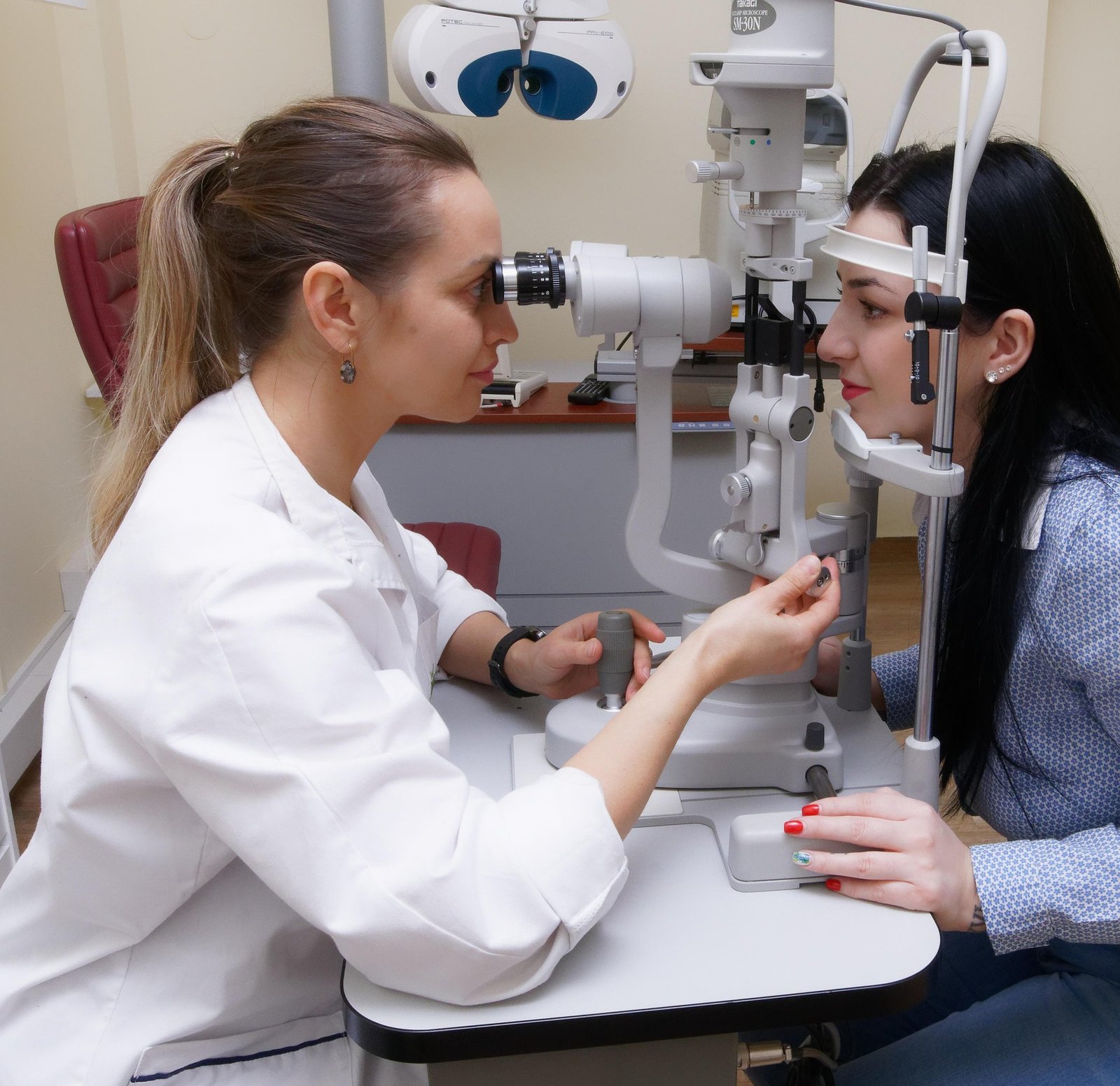
Evaline’s story is a powerful reminder of the personal toll of glaucoma and the strength required to face it. Her father’s courage, coupled with her dedication, highlights the importance of early detection, consistent treatment, and emotional support. For those at risk—individuals over 40, those with a family history, or those with conditions like diabetes or hypertension—regular eye exams are non-negotiable. A simple visit to an eye care professional can mean the difference between preserving vision and facing irreversible loss.
On a societal level, increasing awareness is critical. Public health campaigns, community outreach, and partnerships between governments and organizations can drive change. In South Africa, where glaucoma’s prevalence is significant, initiatives to expand access to screenings and affordable treatments are urgent. By sharing stories like Evaline’s, we can inspire action, encouraging individuals to prioritize eye health and advocate for better resources.
A Life Beyond Glaucoma
Glaucoma may alter how one sees the world, but it does not have to define how one lives in it. Evaline’s father continues to navigate his journey with dignity, finding meaning in the moments he can still experience. His story, and Evaline’s role in it, reminds us that love and resilience can shine through even the darkest challenges. By raising awareness, supporting research, and ensuring access to care, we can help others facing glaucoma live fuller, brighter lives.
For those seeking to learn more or take action, resources are available:
- South African Glaucoma Society: www.sags.org.za
- World Glaucoma Association: www.worldglaucoma.org
- National Eye Institute: www.nei.nih.gov
- World Health Organization (Blindness and Visual Impairment): www.who.int
Glaucoma may be a silent thief, but with awareness, early detection, and unwavering support, its impact can be mitigated. Evaline and her father’s story is a beacon of hope, illuminating the path forward for millions.