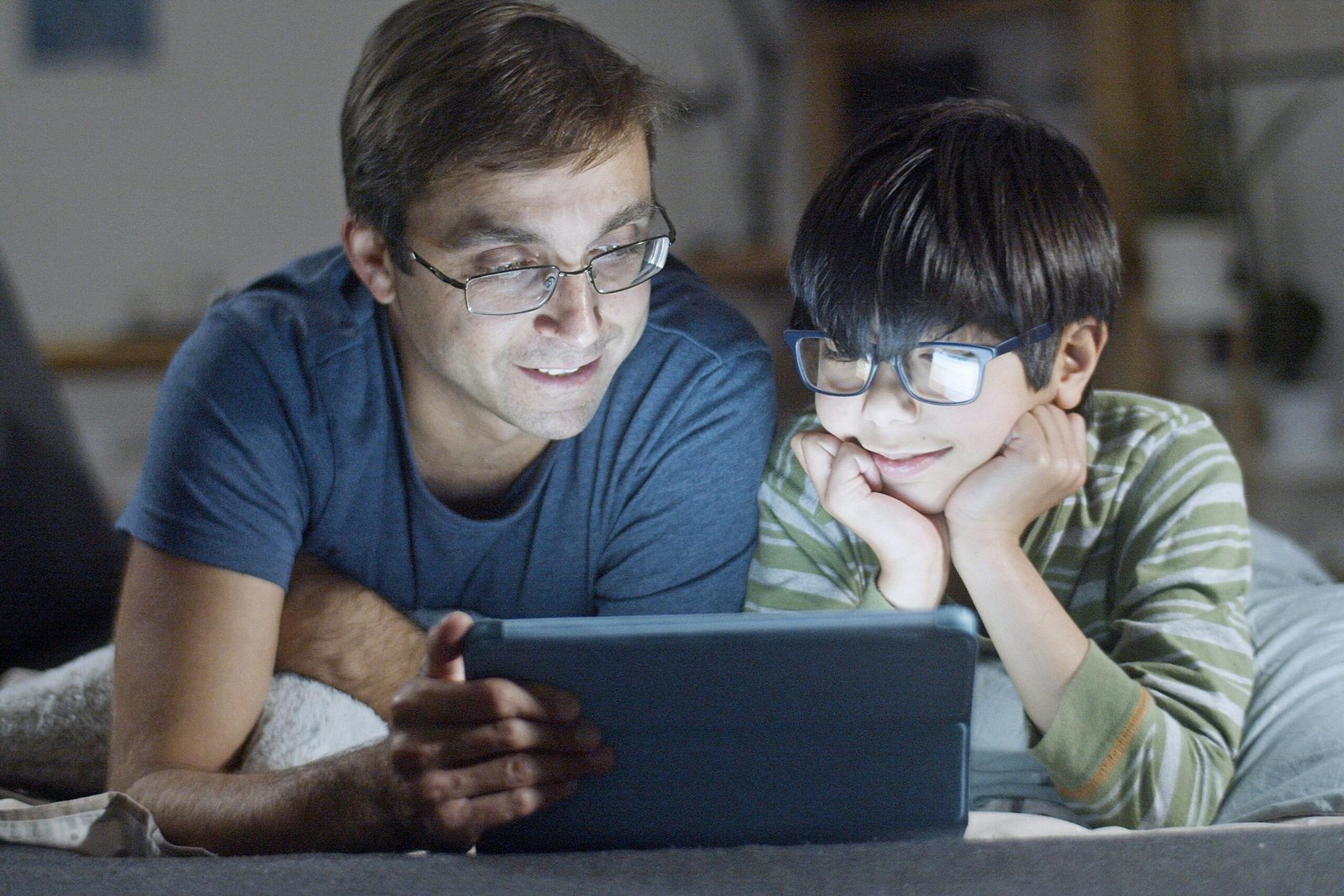
Find out the impact of screen blue light on eye health. Learn 5 simple ways to protect your eyes from blue light. Keep clear, healthy vision. Sleep better and lessen eye strain from digital devices now!
Table of Contents
Introduction
Imagine your eyes as superpowers, slicing through the vibrant world of homework, videos, and games! Still, whenever you access your computer, TV, or tablet, you meet a cunning villain known as blue light. It can cause eye fatigue and disrupt your sleep.
You can keep your healthy eyes safe with enjoyable, simple tips like drinking. In 2025, wearing stylish glasses Parents, teenagers, and children are learning how to protect their eyes from this light. It provides a clear explanation. It highlights the importance of eye protection.
It offers innovative techniques for lowering digital eye strain for long-term clarity. Are you prepared to become an eye health superhero? Which suggestion will you try first?
Suggested Image:
The Science of Blue Light: What It Is and How It Affects Your Eyes
Blue light, which is a bright spark from screens and lights, can have a significant impact on your eye health. Knowing how this light works is like deciphering a secret code to keep strong, healthy eyes. Let us examine the definition it, its path to the eyes, and its effects on the entire body.
What Does Blue Light Mean?
Blue light is a high-energy part of the visible light rainbow, consisting of short waves (400–500 nanometers) that move quickly. It originates from sunlight, LED lights, and screens like those on computers, smartphones, and tablets. According to a 2020 study published in Ophthalmology, it is ubiquitous in our digital world. Thus, protecting ourselves from it is crucial. Blue light penetrates deeply into your eyes, which can wear them out, in contrast to softer hues like red. Visit All About Vision for more information.
The Effects of Blue Light on Your Eyes
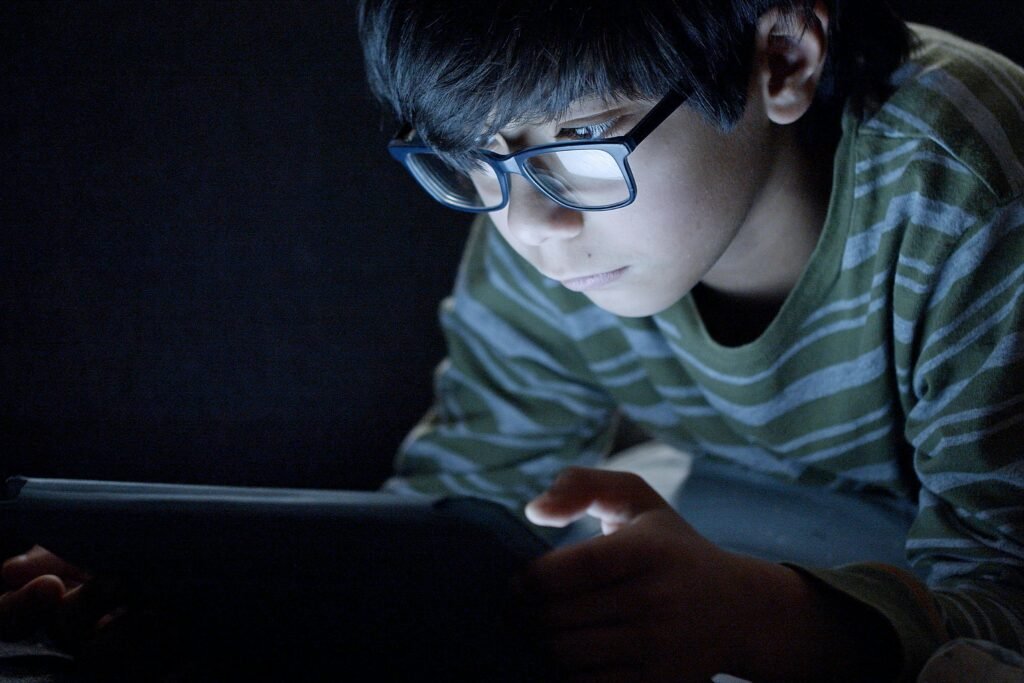
Blue light swiftly passes through the front of your eyes. It reaches the retina, which aids in clear vision. Digital eye strain can result from this extra work, making your eyes feel dry, blurry, or tired. 60% of screen users report experiencing this. It is comparable to running a race without stopping. This was noted in a 2021 study published in the Journal of Optometry. It can also cause small amounts of eye stress, like fatigue after a long day. Keeping your eyes safe is like letting them take a good nap!
The Health Effects of Blue Light in Higher Degrees
Besides harming your eyes, this light can also interfere with your sleep and general health! The light from screens deceives your brain into believing it is daytime at night. This inhibits the release of the drowsiness hormone melatonin.
According to a 2019 Sleep Medicine study, this can make you drowsy. It can also cause exhaustion by delaying sleep by at least thirty minutes. Sleep deprivation can even make learning more difficult. Researchers are investigating whether it damages eyes over time.
Factors Increasing the Risks of Blue Light Exposure
Screens and lights all around you emit it, but some habits can make it harder on your eyes. You can limit these risks, like late-night texting and gaming marathons, to preserve eye health. Let’s look at what causes the light exposure and safety precautions.
Extended Use of Screen Time
Hours of screen time, like when watching YouTube or working on homework online, expose your eyes to blue light. Kids use screens for nine hours every day. This is equivalent to a full school day. This data comes from a 2023 Common Sense Media report. It becomes more intense when you hold devices close to your face. For example, a phone 10 inches away can make it like a flashlight in your eyes. By taking breaks, you can give your healthy eyes a break from the strain of digital devices.
Using Devices at Night
It’s like telling your brain, “No sleep yet!” when you use your phone or tablet at night. Sleep is delayed because it inhibits melatonin. Screen time at night can delay bedtime by thirty minutes. This is according to a 2020 study published in the Journal of Biological Rhythms. It is more intense for children because their eyes are more sensitive. Before bed, playing video games or sending texts can leave you wired rather than sleepy. Reducing screen time at night is essential for protecting against blue light.
Lifestyle and Environmental Factors
Your environment increases your exposure to blue light. Like a miniature sun, the light is emitted by bright LED lights at home or school. The natural light that balances your eyes is lost when you spend too much time indoors. Digital eye strain can be exacerbated by sitting too close to screens or failing to blink while concentrating. Changing your configuration is like creating a shield for your healthy eyes.
Health Effects of Exposure to Blue Light
Your eyes become irritated when exposed to too much of this light. It is like forcing them to run a marathon without water! It interferes with sleep, causes digital eye strain, and has long-term effects on eye health. With a few easy tips, though, you can safeguard your healthy eyes. Together, we will examine its effects and the importance of protecting your eyes.
Eye strain and discomfort from digital devices
Digital eye strain is the result of your eyes having to work harder due to blue light from screens. Headaches, blurred vision, and dry eyes are some of the symptoms. 70% of screen users report feeling wobbly, according to a 2022 American Academy of Ophthalmology study. legs after exercise. For kids, this can make reading or homework tougher. By preventing strain, this protection keeps your eyes healthy and ready for enjoyment!
Disruption of Sleep and General Wellbeing
At night, blue light keeps your brain active like a loud alarm. It makes it difficult to fall asleep by blocking melatonin. You feel exhausted and irritable. You even feel ill, because sleep fortifies your body. This is according to a 2021 study published in Sleep. Children who use screens right before bed suffer from poor eye health. They need sleep to learn and grow. For your brain, blue light protection before bed is like a comforting bedtime tale!
Possible Risks to Eye Health Over Time
Researchers are examining whether blue light harms the eyes in the long run. It can damage the retina. This will result in age-related macular degeneration (AMD). AMD causes blurred vision as people age, according to a 2020 study published in Progress in Retinal and Eye Research. Although the evidence isn’t entirely clear, safeguarding your healthy eyes now will guarantee clear vision for years to come. It’s like saving for a big toy!
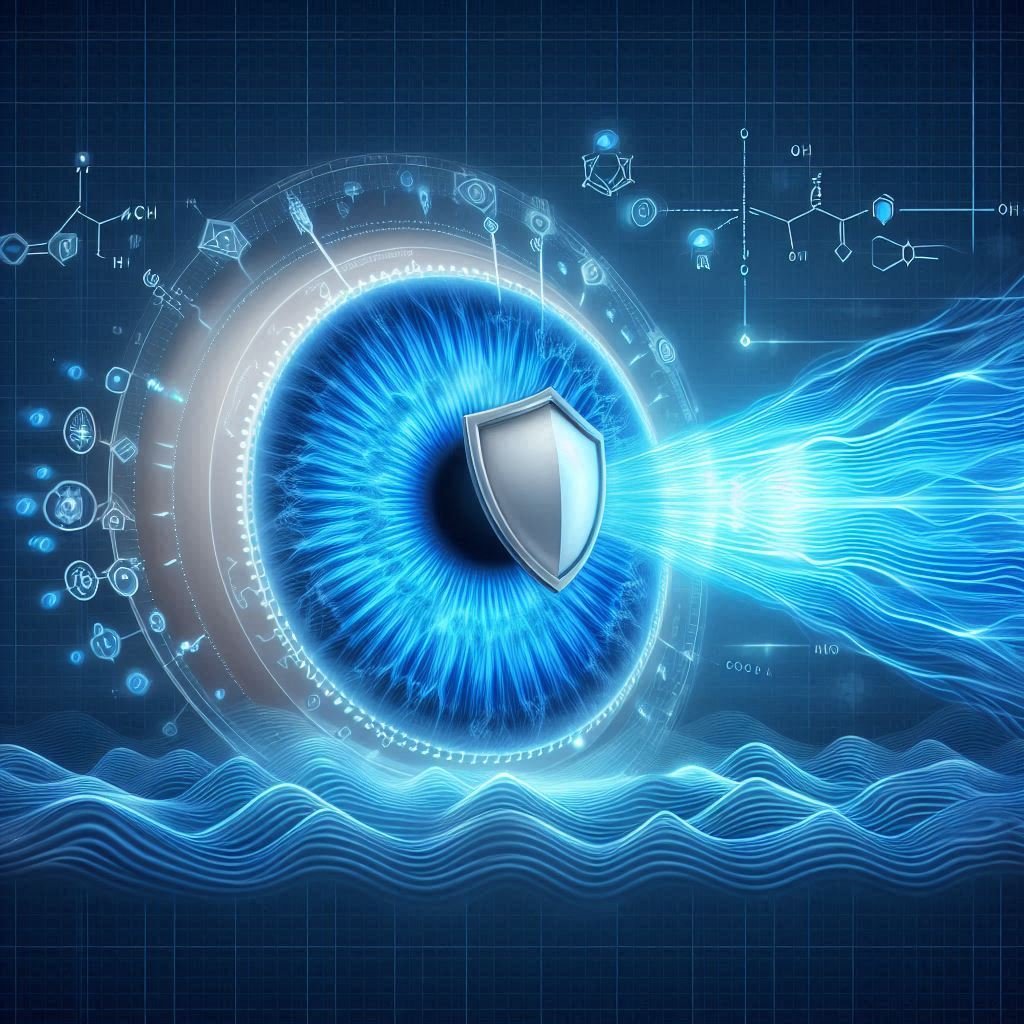
Ways to Prevent Blue Light from Entering Your Eyes
With easy, enjoyable blue light protection techniques, you can become an eye health superhero! These suggestions will keep your healthy eyes shining from naps to delicious meals. Let’s explore the most effective methods for protecting your eyes while having a great time!
Changing Screen Settings and Habits
Developing smart screen habits is like taking a visual vacation. Follow the 20-20-20 rule, which states that you should look 20 feet away for 20 seconds every 20 minutes. This greatly reduces digital eye strain, according to a 2021 study published in Optometry and Vision Science. Reduce screen brightness at night or use filters like iPhone Night Shift. Think of these as your screens’ equivalent of sunglasses! Visit Healthline to learn about the 20-20-20 rule.
Using Tools to Block Blue Light
You can think of blue light-blocking devices as eye shields. Blue light-blocking glasses block 20–40% of the light. This was found in a 2020 study published in the Journal of Applied Physiology. While studying or playing games, wear them. Screen protectors with anti-blue light coatings can reduce digital eye strain. These coatings act as stickers for your screen. Your eyes feel more comfortable with these tools.
Tech and Equipment for Protecting Against Blue Light
Imagine wearing eye-protecting devices that are as cool as a superhero’s cape! Blue light protection is simple and enjoyable with these devices, which range from apps to glasses. We’ll examine the best technology to keep the gleaming health of your eyes.
Blue Lenses and Glasses that Block Blue Light
Blue light and UV rays are blocked by fashionable blue light-blocking glasses like Felix Gray or Gunnar. They lessen digital eye strain during extended screen time, according to a 2021 study published in Clinical Ophthalmology. For instance, a student who wore Felix Gray glasses for online classes reported feeling less eye fatigue. Prescription glasses can give your lenses a superpower by adding blue light coatings. These are comfortable for your eyes and fun to wear!
Software and Screen Filters
Blue light protection is possible with your gadgets. According to a 2020 Chronobiology International study, software like f.lux or Night Shift warms screen colors at night to promote sleep. Anti-blue light screen filters, like those made by Ocushield, work similarly to tinted show windows. On their PC, a gamer reported less eye strain when using Ocushield. These tools are simple and give a wonderful, comforting hug for your eyes!
Eye Health Monitors and Wearable Technology
Wearables like the Apple Watch and Fitbit check how they affect sleep patterns. Reducing screen time at night is necessary if you have a low sleep score. To keep your eyes hydrated, apps like Eye Pro remind you to blink or take breaks. A teacher noticed poor sleep scores. The teacher used Fitbit to cut back on evening screen time. This was done to improve eye health. Your healthy eyes are being cheered on by these devices!
Suggested Image:
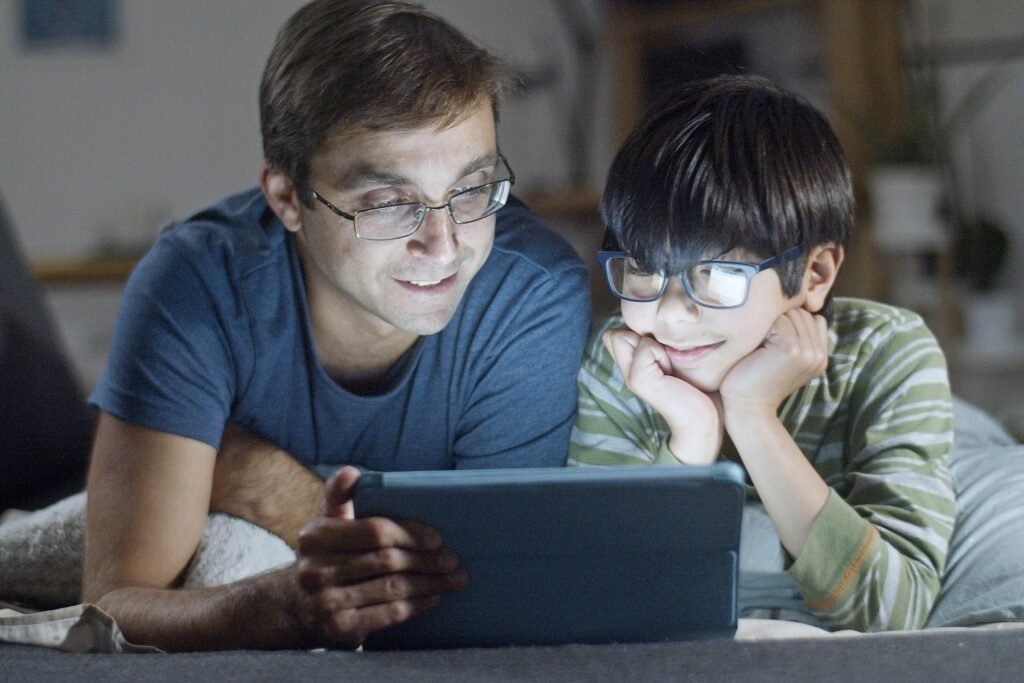
Creating a Lifestyle Safe from Blue Light
Creating a blue light-safe lifestyle is simple. It involves taking easy measures to maintain good vision. It’s much like creating a treasure map for your eyes. You can keep your eyes safe and feel amazing with a fun routine and some creative ideas. We should make it happen!
Making an Eye Health Daily Routine
Consider your day to be a superhero mission: spend fifteen minutes in the morning sun to help balance your eyes. When doing homework or playing games, follow the 20-20-20 rule. Eat yogurt or carrots as a snack to get nutrients for your eyes. An hour before bed, turn on filters and read a book instead of using a screen. For eye rest, aim for a bedtime of 9 PM. This practice is an eye health secret weapon! Cleveland Clinic offers tips.
Overcoming Blue Light Issues
It is difficult to avoid screen time because of schoolwork or games. Put on blue light-blocking glasses or stop occasionally to gaze out a window. Use warm lamps and a low screen brightness when working on homework late at night. Using a timer, divide tablets among siblings. Start small by reducing screen time by ten minutes each night. These tips will protect your healthy eyes, much like avoiding obstacles in a game!
Collaborating with Experts in Eye Care
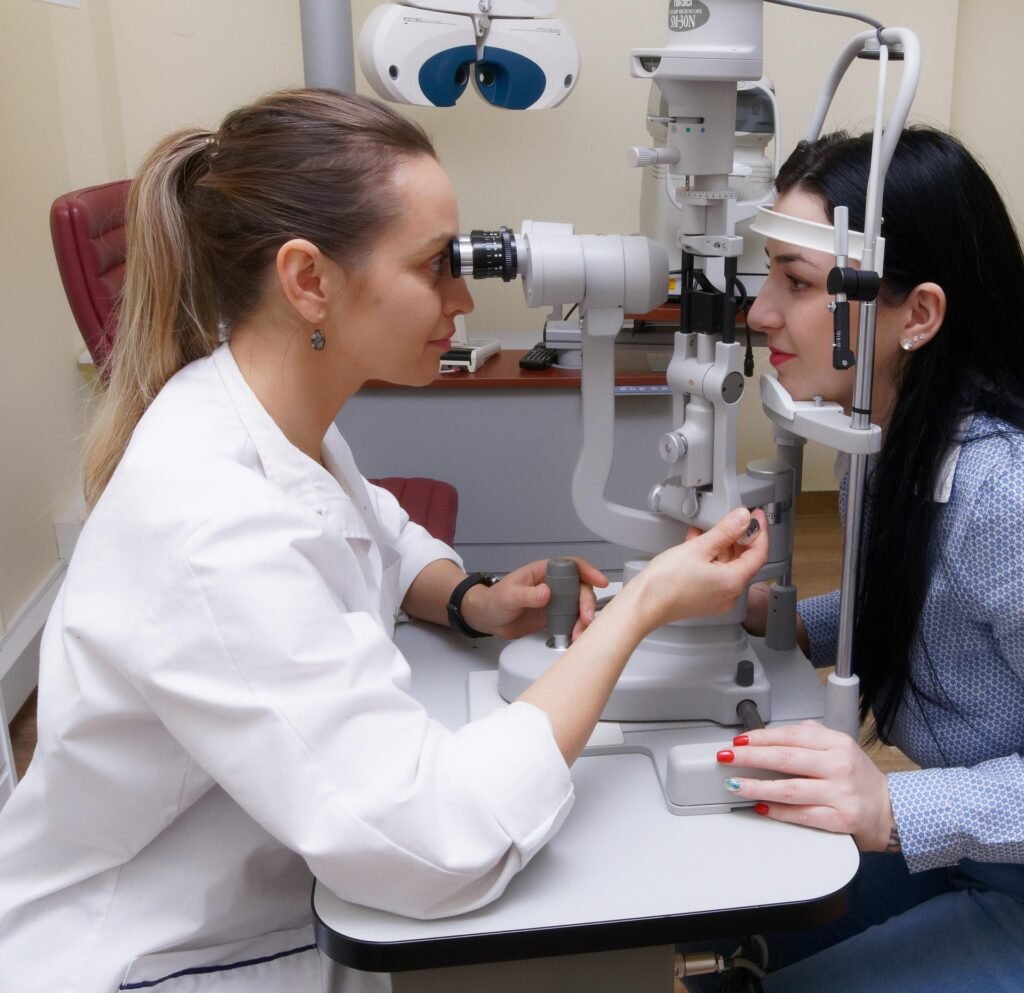
When it comes to eye health, an eye doctor is like a superhero coach. Come once a year, especially if you spend a lot of time on screens. They can recommend glasses or drops if you report headaches or dry eyes. To keep your eyes moist, try blinking exercises that need you to blink quickly ten times. After a student was prescribed lenses by an optometrist, their headaches disappeared. Your eyes will stay clear for life thanks to doctors!
Typical Blue Light Protection Errors and How to Prevent Them
Your eyes can be saved by blue light protection, but its effectiveness can be diminished by mistakes. To keep your healthy eyes shining, stay clear of these pitfalls.
Using Blue Light Tools Too Much
Although they don’t block all the light, blue light glasses are helpful. Even without breaks or filters, relying solely on them can lead to digital eye strain. For complete eye health protection, use tools in conjunction with the 20-20-20 rule.
Ignoring the Habits of Screen Time
Eye health is harmed by prolonged screen time and nighttime use without filters. Due to a late Netflix binge, a teen’s headaches continued even after wearing glasses. Avoid this by using Night Shift and limiting screen time.
Ignoring the Need for General Eye Care
When this light is ignored, other facets of eye health, like diet and exams, are neglected. A parent missed early strain signs by skipping eye exams. See a doctor once a year and eat foods that are good for your eyes.
Taking symptoms incorrectly
By assuming that blue light is the only cause of eye pain, allergies and other problems go unnoticed. During an examination, a child’s itchy eyes were identified as allergies rather than digital eye strain. Seek expert advice for a precise diagnosis.
Important Things to Look Out for
There are risks associated with blue light protection. These include expensive glasses that cost between $50 and $200. Some cheap filters don’t work. Ignoring symptoms can worsen eye health. Like unproven “miracle” drops, misinformation on the internet can deceive. For safe protection, look into and speak with optometrists.
Suggested Image: A child stressed by too many blue light gadgets, showing the risk of over-reliance.
Real-World Success Stories for Blue Light Protection
Actual people demonstrate how blue light protection maintains happy and healthy eyes.
Case Study No. 1: The Young Gamer
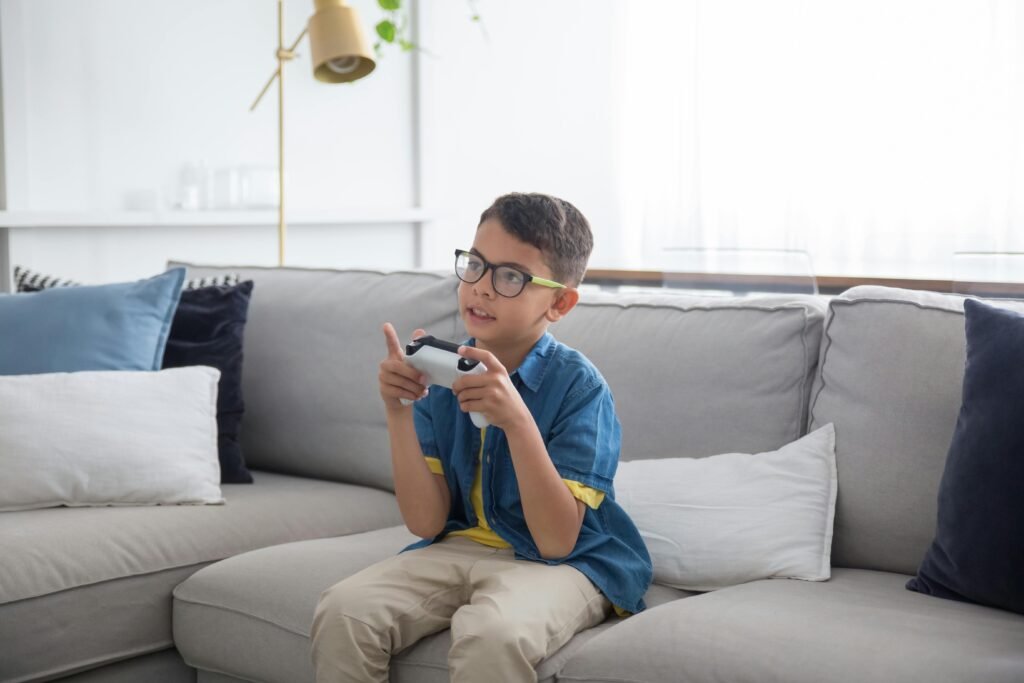
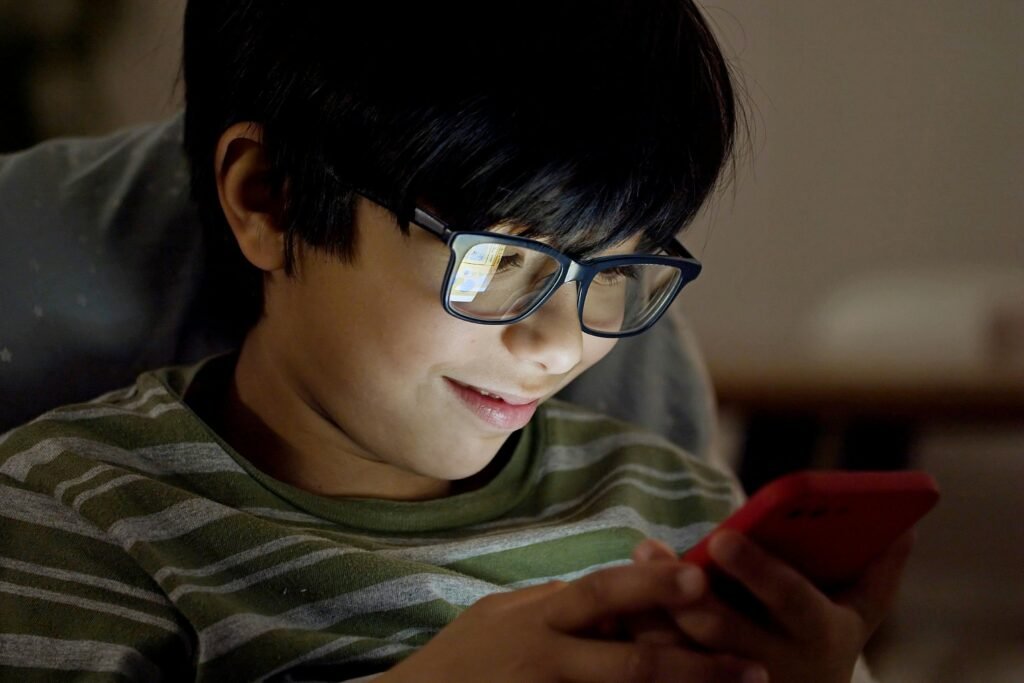
During four-hour Minecraft sessions, 12-year-old Liam used f.lux and blue light glasses. Although he initially needed reminders to maximize eye health, his digital eye strain decreased.
Second Case Study: The Hero of Homework
For her online classes, 15-year-old Emma used Night Shift and the 20-20-20 rule. Her headaches stopped. To completely alleviate the strain of digital screens, she changed the distance between them.
The Busy Parent in Case Study No. 3
A 40-year-old mother named Sarah had yearly eye exams and used Ocushield filters. Although filter costs were an issue, her sleep improved after reducing her evening screen time.
Takeaways from Success Stories
Eye health is ensured by combining tools, breaks, and professional care. For healthy eyes for the rest of your life, start small and be consistent.
Suggested Image: A montage of a kid gaming with glasses, a teen studying, and a parent relaxing, showcasing blue light protection.
Your Eyes’ Path to Everlasting Clarity
You are the eye health hero—blue light doesn’t have to take away the glimmer in your eyes! Take breaks and wear blue light glasses. Eat eye-healthy foods to strengthen your vision. Visit an eye doctor for regular check-ups. These actions can set up your eyes for a lifetime of clear vision. Imagine being capable of reading with happy, alert eyes. Play games or look at the stars after you act instantly! Take just one action at a time, like eating blueberries or after the 20-20-20 rule. Every choice you make strengthens your eyes for a bright, joyful future
Frequently Asked Questions (FAQ)
Q: Can blue light really make my eyes tired?
A: Yes! It causes digital eye strain, like dry or blurry eyes. Take breaks every 20 minutes to keep healthy eyes.
Q: How do I know if my eyes are strained from screens?
A: Itchy, blurry eyes or headaches are signs. Try the 20-20-20 rule or see an eye doctor for eye health checks.
Q: Do blue light glasses actually work?
A: Absolutely! They block 20–40% of blue light, reducing digital eye strain during screen time.
Q: Is blue light worse for kids’ eyes?
A: Yes, kids’ eyes are more sensitive to blue light. Use filters and limit screen time before bed for eye health.
Q: How often should I get my eyes checked?
A: Yearly checkups ensure healthy eyes, especially with heavy screen time.
Q: Can blue light protection help with headaches?
A: Yes, reducing digital eye strain with glasses or breaks can ease screen-related headaches.
Q: What foods help protect my eyes from blue light?
A: Spinach, eggs, and salmon have nutrients like lutein and omega-3s that support eye health.
Q: How do I know if my blue light protection is working?
A: Track symptoms like eye comfort or sleep quality. Fewer headaches or better rest means it’s helping your healthy eyes.
Disclaimer: This article is written by an experienced health journalist for informational purposes only. It does not replace professional medical advice, diagnosis, or treatment. Always consult a qualified healthcare provider, like an optometrist or ophthalmologist. Do this before changing your eye care routine. Consult them before using blue light-blocking tools or starting supplements. Individual eye health needs vary, and some strategies are not be suitable for everyone. The author and publisher are not liable for any adverse effects from using this information.