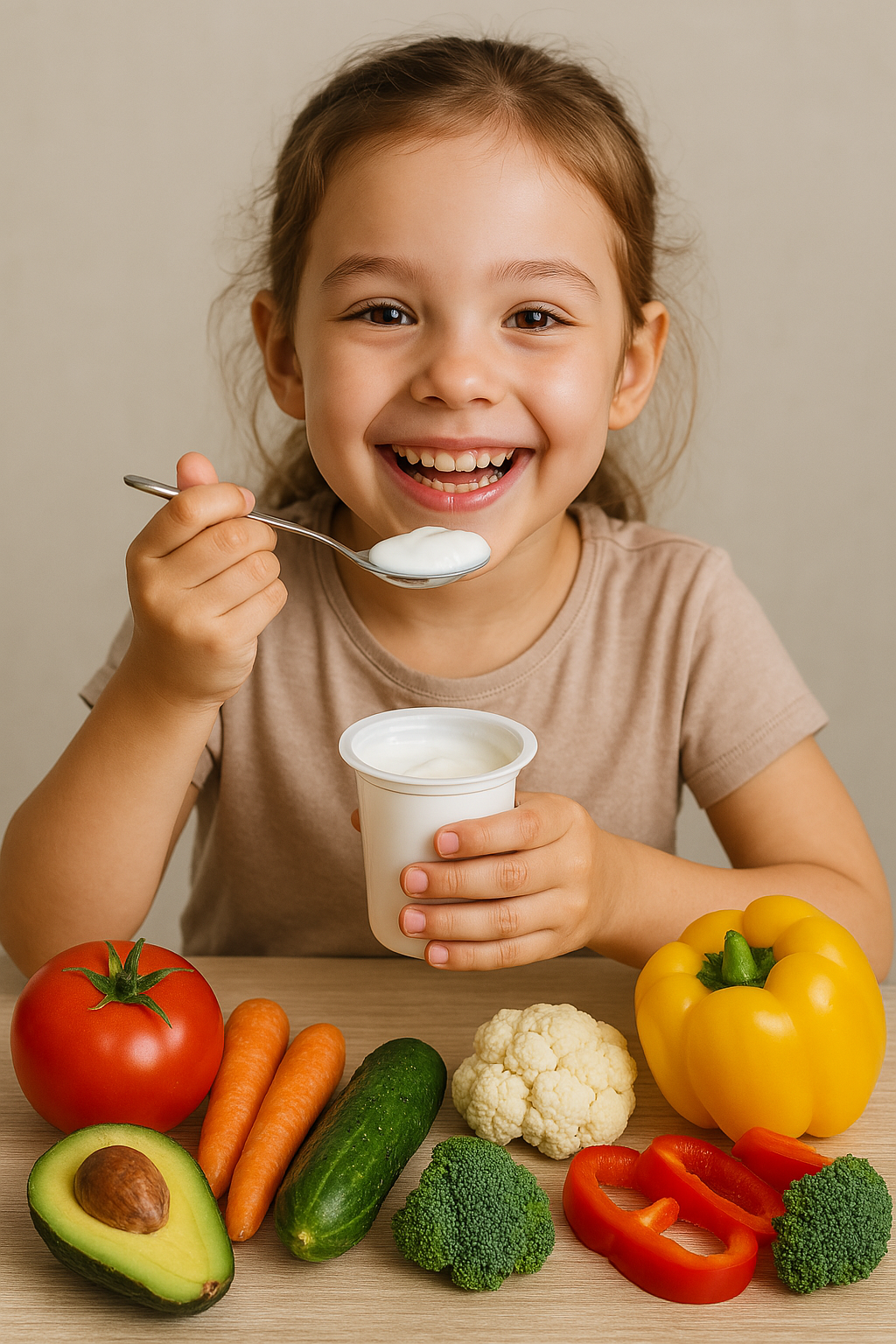
Find out how probiotics and prebiotics work together to support a healthy gut! Discover 5 simple ways to enhance immunity, mood, and digestion, including probiotic and prebiotics foods.
Table of Contents
Introduction
Imagine your gut as a magical garden. It buzzes with tiny helpers called probiotics and prebiotics that keep your tummy happy. They also keep your body strong and your smile bright! These are friendly bacteria in foods like yogurt, while prebiotics are fibers that feed them, like a yummy snack. Together, they create a healthy gut, boosting immunity, digestion, and happiness.
In 2025, everyone’s excited about gut health because it’s a secret superpower for feeling awesome! This guide explains probiotics and prebiotics in a fun way. It highlights their benefits. It also shares easy ways to add probiotic foods and prebiotic foods to your life. Ready to make your gut a superhero?

How Probiotics and Prebiotics Work in Your Gut: A Scientific Study
Probiotics and prebiotics work together to sustain the health and vibrancy of your gut, which is like a busy playground. Let’s examine their definitions, interactions, and gut health.
Probiotics: What Are They?
Probiotics are beneficial bacteria that live in your gut and preserve its balance, like Lactobacillus or Bifidobacterium. Probiotics foods like yogurt, kefir, or sauerkraut, as well as supplements, contain them. These beneficial insects combat the harmful bacteria that cause stomachaches. According to a 2020 study published in Nature Reviews Gastroenterology & Hepatology, probiotics help to keep the gut in balance. It’s much like a clean playground. Consuming them every day promotes gut health!
Prebiotics: What Are They?
Prebiotic foods like bananas, onions, and oats contain unique fibers called prebiotics, for example fructooligosaccharides or inulin. Your beneficial bacteria adore them, but your body is incapable of digesting them! According to a 2021 study published in Gut Microbes, prebiotics create short-chain fatty acids (SCFAs). These SCFAs fortify your gut like a strong fence. Prebiotics are a veritable feast for your digestive system!
How They Cooperate
As best friends, probiotics and prebiotics strengthen one another. In your gut, probiotics grow and flourish with the support of prebiotics. This collaboration produces a varied gut microbiome, which is akin to a playground with a variety of games. Their combination supports a healthy gut. It lowers inflammation and enhances digestion. This is according to a 2022 study published in the Journal of Nutrition. They are your stomach’s super team!
The Significance of Gut Health
As your body’s command center, your gut breaks down food, fights off infections, and elevates your mood. 70% of immune cells reside in your gut. A 2019 study published in Immunity explains why it’s referred to as the “second brain.” This is because it communicates with your brain. A healthy gut gives you energy for play, keeps your skin looking radiant, and helps you avoid colds. Prebiotics and probiotics support the health of your gut like gardeners!
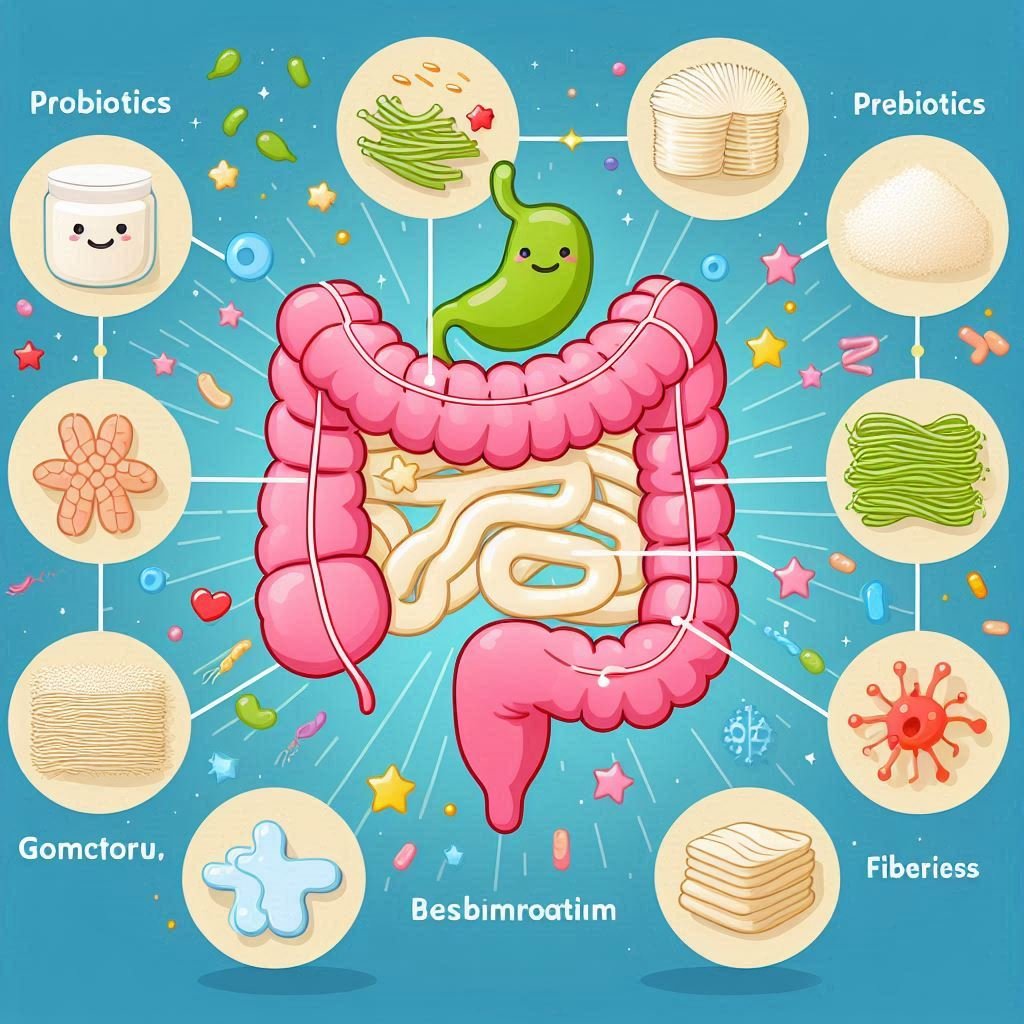
How Probiotics and Prebiotics Differ from One Another
Although they both promote gut health, probiotics and prebiotics are like different members of the same team. Their distinct functions and how they support gut health will be discussed.
Sources and Composition
Probiotics are live bacteria found in probiotic supplements and foods like kefir, yogurt, and sauerkraut. They need to be refrigerated to stay active. Prebiotics are stable without special storage and are non-living fibers found in foods like apples, garlic, and oats. According to a 2020 study published in Microorganisms, prebiotics support preexisting bacteria. Probiotics create new ones. This is much like new friends versus their lunch.
Action Mechanisms
Probiotics move into your gut, crowding out bad bacteria for quick relief, like superheroes chasing villains. Prebiotics feed good bacteria, fostering long-term growth. A 2021 study in Alimentary Pharmacology & Therapeutics found that probiotics act fast. In contrast, prebiotics build a healthy gut over time. This is like comparing a quick fix to a long-term plan.
Health Applications
Probiotics excel at treating diarrhea or bloating, especially after antibiotics. Prebiotics prevent issues by maintaining gut balance daily. A 2020 study in World Journal of Gastroenterology highlights that combining them helps 80% of people with digestive issues. This makes them a perfect gut health duo, like a Band-Aid and daily veggies.
Suggested Image: A split image of yogurt (probiotics) and bananas (prebiotics), with arrows showing their gut benefits.
Benefits of Probiotics and Prebiotics for Health
Probiotics and prebiotics are like magic potions for your body, supporting digestion, immunity, and happiness. Let’s explore how they make your healthy gut shine!
Digestive Health
A healthy gut means fewer tummy aches! Probiotics reduce bloating, constipation, or diarrhea, especially for kids. A 2020 study in the World Journal of Gastroenterology says Lactobacillus cuts tummy pain by 50% for many. Prebiotics regulate bowel movements, like a superhero shield. They’re a big hug for your tummy!
Immune System Support
Your gut is a fortress against germs, and probiotics and prebiotics are its guards. They boost immune cells, reducing colds by 20%, per a 2019 Cochrane Database of Systematic Reviews study. Prebiotics produce SCFAs to calm inflammation, says a 2021 Frontiers in Immunology study, keeping you strong for play!
Mood and Mental Health
Probiotics and prebiotics make the conversations between your gut and brain more pleasant. A 2020 Psychiatry Research study found that 60% of probiotics users reported feeling calmer after taking them. Prebiotics increase the happy hormone serotonin, which makes you smile more. It’s a celebration for your gut health!
Extra Advantages
According to a 2022 Nutrients study, probiotics and prebiotics boost weight management, reduce cholesterol, and clear skin. They make your body feel like a superhero, which benefits everyone, from children to grandparents. It’s like opening a treasure trove of gut health when you add them!

Factors Influencing the Effectiveness of Prebiotics and Probiotics
Although probiotics and prebiotics are very effective, their effects can be affected by things like stress or diet. For a healthy gut, let’s examine what makes them succeed or fail.
Lifestyle and Nutrition
Eating soda or candy can starve beneficial bacteria. But, probiotics thrive when they are accompanied by vegetables and water. Lack of exercise or stress can lessen their effects. Healthy, enjoyable living is like sunshine for your digestive system!
Specificity of Strain and Quality
Probiotics are not all created equal. A study in Clinical Nutrition from 2021 suggests choosing supplements with Bifidobacterium strains. They should contain 10–50 billion Colony Forming Units. The most effective prebiotics are inulin. Products of poor quality, like picking a broken toy, are not helpful. Reputable companies guarantee gut health.
Differences among Individuals
Like a fingerprint, each person’s gut is different. According to a 2020 Pediatrics study, different dosages are required for children, adults, and people with Irritable Bowel Syndrome. Diet and illness have an impact on efficacy. Like altering a video game character for gut health, a doctor can create a plan specifically for you.
Suggested Image: A child eating a balanced meal with yogurt and veggies, contrasted with a sugary snack.
How to Use Prebiotics and Probiotics in Your Daily Life
Boost your gut health with delicious probiotics and prebiotics foods, supplements, and enjoyable routines. Let’s look at how to incorporate them effortlessly for gut health!
Foods High in Probiotics
Eat one or two servings of probiotics foods each day, like yogurt, kefir, or sauerkraut, to attract beneficial bacteria. According to a Foods study from 2021, they quickly increase gut flora. Children can sample yogurt drinks or kefir smoothies. Your stomach will love these delectable treats!
Foods Packed with Prebiotics
A 2020 Dietary Fibre study found something interesting. Prebiotics foods like oats, onions, garlic, and bananas (5–10g fiber daily) nourish your bacteria. Taste the garlic stir-fry or oatmeal with berries. Peanut butter can be used to dip apple slices for children. These plant seeds promote gut health!
Selecting Supplements
According to a 2021 study published in the Journal of Dietary Supplements, probiotics supplements containing 10–50 billion CFUs are beneficial. A variety of strains, including Culturelle, promote gut health. Drinks are infused with prebiotic powders, like inulin. For children in particular, seek medical advice to confirm safety. They resemble the sidekick of a superhero!
Lifestyle Advice for Digestive Health
Research from 2020 by the Exercise and Sport Sciences Reviews shows that regular movement can boost beneficial bacteria. Specifically, doing 30 minutes of movement daily can be very effective. Doing 30 minutes of movement daily can increase beneficial bacteria. This activity promotes a healthy gut. This activity can lead to an increase. Activities like dancing are beneficial. To reduce stress, calm yourself by coloring or breathing. Eat regular meals and drink plenty of water. These practices are a great way to support a healthy gut!

Tools and Technology to Optimize Gut Health
Gut health becomes an exciting treasure hunt thanks to cool gadgets! Probiotics and prebiotics are tracked by these tools, which range from tests to apps. Let’s see what they have!
Kits for Testing Gut Health
Kits like Viome or Thorne use a stool sample. They analyze your gut bacteria and recommend specific probiotics or prebiotics. They tailor plans, according to a 2021 study published in Microbiome. Viome’s recommendations helped a user’s digestion. They are akin to spy kits for gut health!
Wearables to Monitor Stress and Sleep
Wearables like Fitbit or Oura Ring track sleep and stress, impacting gut health. A 2020 Sleep study says good sleep boosts probiotics. A parent reduced stress with Fitbit data, aiding digestion. These are like coaches for your healthy gut!
Apps for Diet and Gut Health
Apps like MyFitnessPal track probiotic foods and prebiotic foods, while Cara Care logs symptoms and suggests meals. A teen used MyFitnessPal to add more yogurt, easing bloating. These apps are like cheerleaders for gut health—fun on your phone!
Suggested Image: A child using a Fitbit while logging yogurt in MyFitnessPal, with a Viome kit nearby.

Common Mistakes in Gut Health and How to Prevent Them
Although mistakes can impede progress, probiotics and prebiotics have the power to improve gut health. To keep your gut healthy and flourishing, stay away from these!
Taking Too Many Supplements
Bloating or diarrhea can result from taking too many probiotic supplements. According to a 2021 study published in the Journal of Dietary Supplements, start with low dosages and seek medical advice. For equilibrium, mix with probiotic foods.
Ignoring Balance in Diet
Bacteria are starved when probiotic foods are consumed exclusively, without prebiotic foods or vegetables. In the absence of fiber, a child’s bloating continued. For gut health, incorporate both.
Ignoring Lifestyle Aspects
According to a 2020 Sleep study, probiotics are weakened by stress or restless nights. After calming down with yoga, a parent’s digestion improved. Gut health is supported by rest and exercise.
Misreading the symptoms
It can overlook problems like allergies, to assume that probiotics are necessary for all stomach aches. A doctor discovered that a child’s pain was caused by lactose intolerance. Seek advice from experts for a precise diagnosis of gut health.
Important Things to Look Out for
The risks of probiotics and prebiotics include expensive supplements ($20–$50/month), bloating, or low-quality, ineffective products. Online misinformation can be misleading, much like untested “gut cures.” For safe gut health practices, seek advice from dietitians and conduct research.
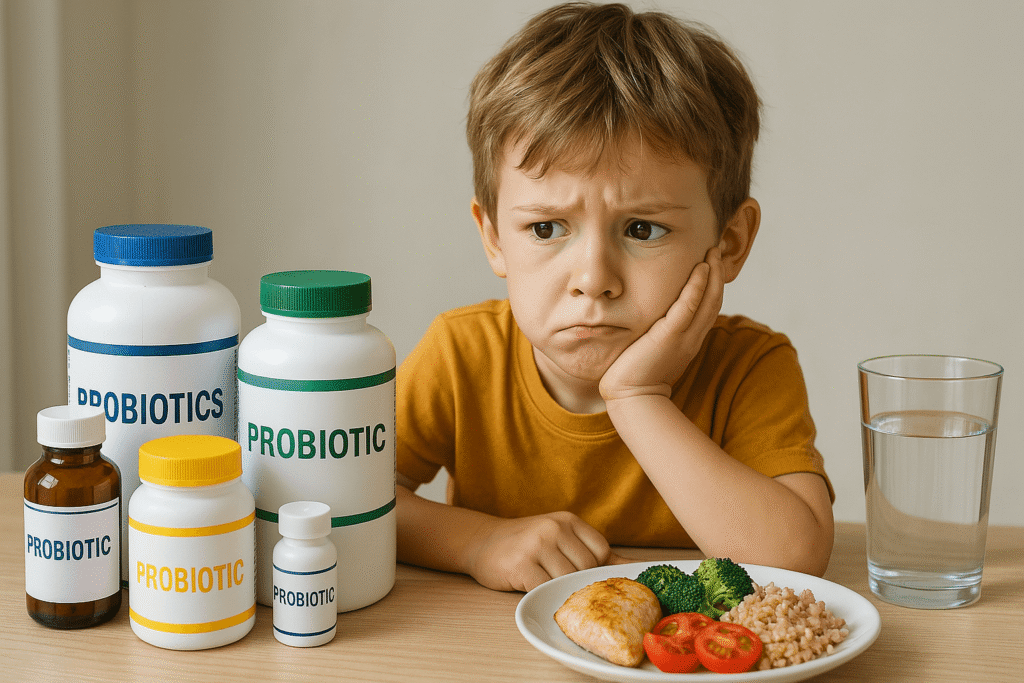
Suggested Image: A child confused by too many probiotic supplements, contrasted with a balanced meal.
True Stories of Gut Health Success
A healthy gut is demonstrated by real people using probiotics and prebiotics.
The Picky Eater is the first case study.
Ten-year-old Lily added banana snacks and kefir smoothies. Her constipation subsided, but in order to optimize gut health, she needed to gradually try new vegetables.
The Active Teen in Case Study No. 2
Jake, a 16-year-old soccer player, used oat breakfasts and Culturelle probiotics. Although his bloating decreased, he still required frequent meals to maintain the benefits.
Case Study 3: The Parent Under Stress
Emma, a 38-year-old mother, used Viome and consumed sauerkraut. Although the expense of testing was a barrier, her energy level skyrocketed.
Success Stories Teach Us Something
A healthy gut is ensured by combining probiotic and prebiotic foods and maintaining consistency. Benefits last a lifetime if you start small.
How to Live a Super Healthy Life with Your Gut
Your gut’s best friends are probiotics and prebiotics, which make you feel resilient, content, and eager to explore! By eating probiotic foods like yogurt, you’re nurturing a healthy gut. Munch on prebiotic foods like bananas. Move your body and use tools like Viome to continue this nurturing. Imagine boundless energy, fewer tummy aches, and big smiles—all from caring for your gut! Start with one step, like sipping kefir or adding oats. Every choice strengthens your healthy gut for a joyful future. Share your gut health journey on X!
Suggested Image: A child dancing with a happy tummy, surrounded by yogurt and bananas, symbolizing a healthy gut.

Suggested Infographic: A 7-day gut health plan (e.g., Day 1: Try yogurt, Day 2: Eat bananas), formatted as a colorful timeline.
Frequently Asked Questions (FAQ)
Q: What’s the difference between probiotics and prebiotics?
A: Probiotics are good bacteria in yogurt; prebiotics are fibers in bananas that feed them for a healthy gut.
Q: Can kids eat probiotics and prebiotics?
A: Yes! Yogurt and apples are great, but ask a doctor before giving probiotic pills for gut health.
Q: How do I know if my tummy needs help?
A: Tummy aches, bloating, or fatigue signal a need for more probiotics or prebiotics. See a doctor for gut health advice.
Q: Are probiotic supplements better than foods?
A: Probiotic foods are tasty and effective; supplements help if you can’t eat enough. Choose high-CFU options for a healthy gut.
Q: How soon will I feel better with probiotics?
A: Relief from tummy issues may start in 2–4 weeks, but daily use ensures lasting gut health.
Q: Can probiotics help with mood?
A: Yes, they reduce anxiety and boost happiness by supporting your healthy gut’s brain connection.
Q: What foods are best for prebiotics?
A: Bananas, oats, and garlic are top prebiotic foods to nourish your gut bacteria.
Q: Are there risks to probiotics or prebiotics?
A: Overuse can cause bloating, and low-quality products not work. Consult a doctor for safe gut health practices.
Disclaimer: This article is written by an experienced health journalist for informational purposes only. It does not replace professional medical advice, diagnosis, or treatment. Always consult a qualified healthcare provider, like a dietitian or gastroenterologist. Do this before changing your diet. This is also important when using probiotics or prebiotics or starting supplements. Consulting is especially important if you have health conditions like IBS or allergies. Individual gut health needs vary, and some products or foods are not suitable for everyone. The author and publisher are not liable for any adverse effects from using this information.