
Learn how exercise recovery boosts muscle recovery with 5 easy recovery tips! Improve workout recovery and energy with nutrition, sleep, and fun tools for a healthy recovery.
Table of Contents
Introduction
Imagine finishing a super fun workout, like running, dancing, or playing soccer, and feeling like a champion! But the next day, your legs feel sore, and you’re super tired. Don’t worry. Exercise recovery is like a magic trick. It helps your body fix itself, so you can keep having fun and getting stronger.
Recovery tips like eating yummy snacks, sleeping well, and using cool tools boost muscle recovery and energy. In 2025, kids, teens, and parents will share fun ways to bounce back like heroes. Are you ready to become a healthy recovery rock star?

The Science of Exercise Recovery: How Your Body Rebuilds
Every time you run, jump, or lift something heavy, your body works hard. It then gets busy rebuilding, like a superhero fixing a city after a battle. This process is exercise recovery, and it’s what makes you stronger. Let’s find out what exercise recovery is. We’ll learn how your body accomplishes it. Discover why it’s essential for being awesome at playtime or sports.
What Is Exercise Recovery?
Exercise recovery is like giving your body a high-five after a workout. When you exercise, your muscles use energy and get tiny tears, leaving you tired. Recovery fixes those tears, refills your energy, and reduces soreness using food, sleep, and rest. It’s like recharging your favorite toy to keep it running strong. A healthy recovery ensures you’re ready for more fun! Learn more at KidsHealth.
The Physiology of Muscle Repair
During exercise, muscles develop micro-tears, like little scratches, which is normal and part of getting stronger. Your body sends satellite cells to repair these tears, building bigger, tougher muscles. A 2020 study in Sports Medicine explains this happens with protein intake and rest. Growth hormones and reduced inflammation also aid repair, like a construction crew rebuilding with better materials. This muscle recovery process is key to bouncing back!
Why Recovery Drives Performance
Workout recovery is the secret sauce to becoming a sports superstar. Good recovery strengthens muscles. It boosts speed. It improves endurance by up to 20%, per a 2021 study in Frontiers in Physiology. Skipping it can lead to weakness or injury, which isn’t fun. Eating well and sleeping enough give your body the tools to shine, whether you’re playing tag or lifting weights. Recovery tips unlock your best performance!

Factors That Hinder Exercise Recovery
Sometimes, exercise recovery takes longer, like a bike with a flat tire slowing you down. Things like poor eating, bad sleep, or too much exercise can stall your muscle recovery. Let’s identify these hurdles and how to overcome them for a healthy recovery.
Inadequate Nutrition
Food fuels your workout recovery team. Without enough protein (e.g., eggs, chicken) or carbs (e.g., fruit, bread), muscles can’t repair efficiently. A 2019 study in Nutrients found 40% of people lack post-exercise protein, prolonging soreness. Hydration is vital too—dehydration slows healing. Eating smart is like giving your body the right Lego pieces for muscle recovery!
Poor Sleep Quality
Sleep is a magic potion for exercise recovery. Less than 7 hours disrupts growth hormone release, hindering muscle recovery. A 2020 study in Sleep notes poor sleep increases injury risk by 60%. Late-night screen time or noisy rooms can interfere. A cozy, dark sleep setup is like a hug for your healthy recovery!
Overtraining and Stress
Overtraining, like nonstop exercise without breaks, exhausts muscles, stalling workout recovery. Stress releases cortisol, a recovery villain, per a 2021 study in Journal of Applied Physiology. Rest days and relaxation, like playing quietly, counteract this. Balancing activity keeps your healthy recovery on track!
Health Impacts of Poor Exercise Recovery
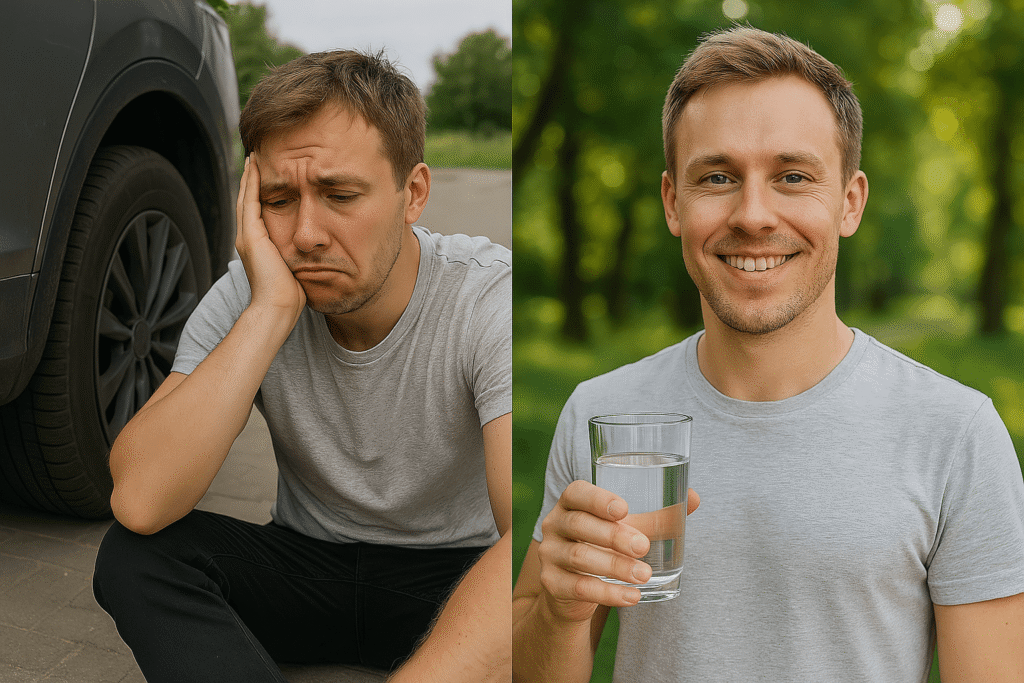
Poor exercise recovery is like neglecting a plant—it won’t thrive and might wilt. Skipping recovery tips can lead to injuries, weak performance, or long-term issues. Let’s explore these effects and why prioritizing muscle recovery is essential.
Increased Injury Risk
Without proper workout recovery, tired muscles become wobbly, raising injury risk, like sprains or strains. A 2022 study in British Journal of Sports Medicine reports 30% of sports injuries stem from poor recovery. Resting ensures you stay safe for play!
Reduced Performance and Plateaus
Inadequate exercise recovery causes performance plateaus, where strength or speed stalls. Without nutrition or sleep, your body can’t rebuild, per a 2020 study in Journal of Strength and Conditioning Research. Good recovery tips help you break through and excel!
Long-Term Health Consequences
Chronic poor muscle recovery can disrupt hormones, weaken immunity, or cause chronic fatigue. According to a 2019 study in Medicine & Science in Sports & Exercise, stress from overtraining harms overall health. This negative impact can develop over time. A healthy recovery protects your future fitness!

Strategies to Optimize Exercise Recovery
Become a healthy recovery superhero with fun, easy recovery tips that make your body feel amazing after every workout. From tasty snacks to relaxing sleep, these strategies will have you bouncing back fast. Which will you try today? Share on X!
Nutrition for Muscle Repair
Post-workout nutrition is like a hug for your muscles. Aim for 20–40g of protein (e.g., peanut butter sandwich, boiled egg) and carbs (e.g., apple, crackers) within an hour, per a 2018 study in Journal of the International Society of Sports Nutrition. Hydrate with water or an electrolyte drink (e.g., Gatorade). These are superhero fuels for muscle recovery! Check snacks at Healthline.
Rest and Sleep Optimization
Sleep is your body’s magic bed for workout recovery. Get 7–9 hours nightly in a dark, cool (65°F) room, avoiding screens. A small magnesium dose (200–400mg, doctor-approved) aids relaxation, per a 2020 Sleep study, boosting recovery by 30%. It’s a win for healthy recovery! See tips at Sleep Foundation.
Active Recovery and Mobility
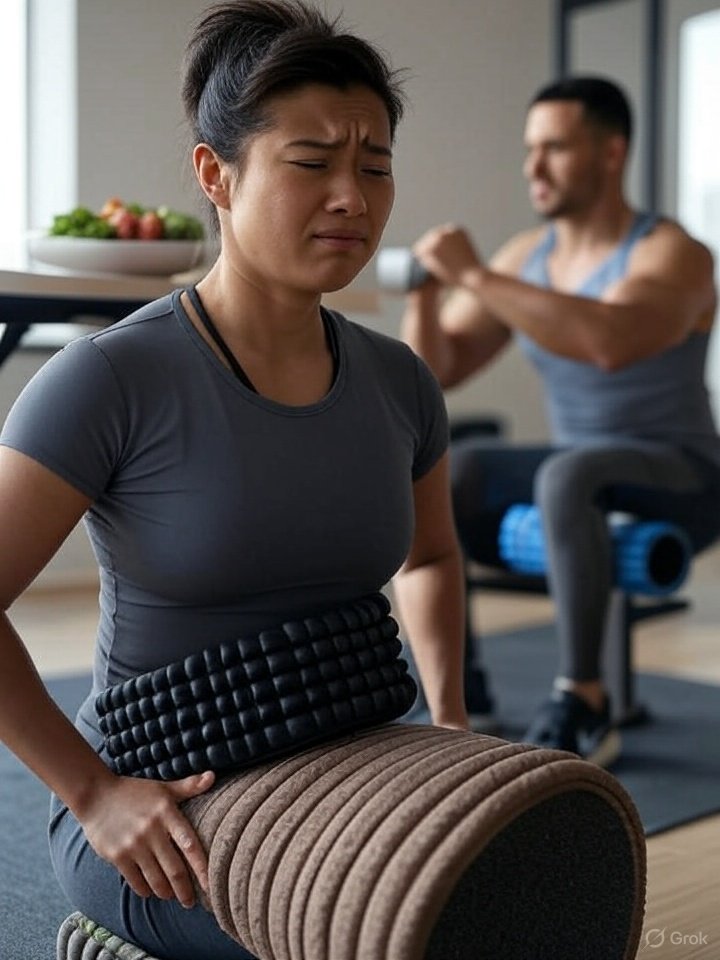
Active recovery is like a gentle stretch for your muscles. Try walking, yoga, or slow biking for 10–20 minutes post-workout. This can reduce soreness by 30%, per a 2020 study in Journal of Sports Sciences. Use a foam roller to massage tight spots. These keep your muscle recovery on track! Explore at Mayo Clinic.
Stress Management and Recovery Tools
Stress slows exercise recovery; fight it with 5-minute deep breathing or calm music. Tools like a Theragun massage gun or compression socks boost blood flow, aiding workout recovery. A 2021 study in Physical Therapy in Sport confirms their effectiveness. These are smiles for your healthy recovery! See more at KidsHealth.

Tools and Technology for Exercise Recovery
Superhero gadgets make exercise recovery as fun as a game! From wristbands to rollers, these tools enhance muscle recovery. Let’s explore the best tech for your healthy recovery.
Wearable Recovery Trackers
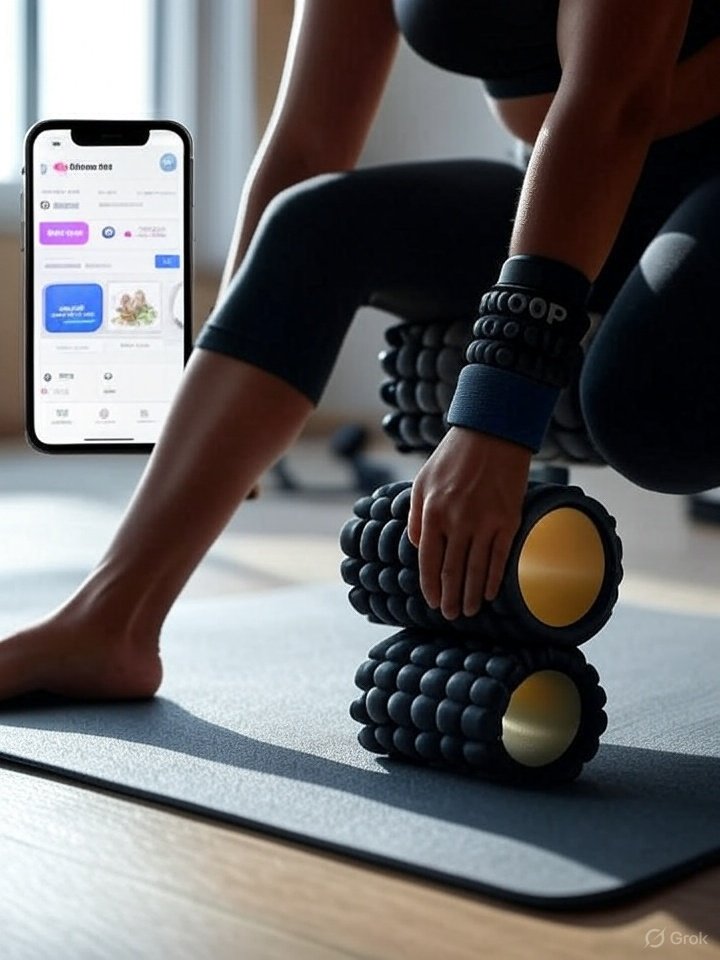
Devices like Whoop or Garmin track sleep and heart rate variability (HRV) to gauge workout recovery. Low HRV signals rest needs. Athletes rely on these for peak performance, and they’re kid-friendly too! Learn more at Healthline.
Recovery Devices and Equipment
Tools like a Theragun massage gun or foam roller ease soreness. A 2021 Physical Therapy in Sport study supports their efficacy. Ice packs or heating pads target specific aches. These are fun, home-based aids for muscle recovery!
Apps for Recovery Planning
Apps like MyFitnessPal track post-workout nutrition, while StretchIt offers stretch videos. A teen reduced soreness using MyFitnessPal to log protein. These apps turn recovery tips into a game! Check options at Verywell Fit.
Common Recovery Mistakes and How to Avoid Them
Exercise recovery can transform your fitness, but mistakes can hinder progress. Avoid these pitfalls to guarantee a healthy recovery.
Skipping Post-Workout Nutrition
Ignoring post-workout meals delays muscle recovery. Eat protein and carbs within an hour, per a 2018 Journal of the International Society of Sports Nutrition study.
Overlooking Rest Days
No rest days lead to overtraining, stalling workout recovery. Schedule at least one rest day weekly to support healthy recovery.
Misusing Recovery Tools
Overusing a Theragun or foam roller can cause bruising. Use 5–10 minutes daily, per a 2021 Physical Therapy in Sport study, for safe muscle recovery.
Ignoring Symptoms
Assuming soreness is normal can mask injuries. Persistent pain needs a doctor’s check, notes a 2020 British Journal of Sports Medicine study. Listen to your body for healthy recovery.
Major Risks to Watch For
Recovery tips have risks: costly tools ($50–$200), side effects like magnesium overdose, or ineffective low-quality products. Misinformation (e.g., “instant recovery” claims) can mislead. Consult professionals for safe exercise recovery.

Real-Life Workout Recovery Success Stories
Real people show how exercise recovery creates a healthy recovery.
Case Study 1: The Soccer Star
Liam, a 12-year-old, ate protein shakes and slept 8 hours after games. His soreness dropped, but he needed rest days to avoid overtraining, boosting muscle recovery.
Case Study 2: The Dance Kid
Emma, a 10-year-old dancer, used a foam roller and MyFitnessPal for nutrition. Her energy soared, though she adjusted stretch time for best workout recovery.
Case Study 3: The Busy Parent
Sarah, a 35-year-old mom, used a Theragun and rest days after jogging. Her stamina improved, but tool costs were a challenge for healthy recovery.
Lessons Learned from Success Stories
Combining nutrition, rest, and tools ensures exercise recovery. Start small and stay consistent for lasting gains!
Suggested Image: A montage of a soccer player with a shake, a dancer stretching, and a parent using a Theragun.
Your Secret to Becoming a Fitness Superstar
Exercise recovery is your secret key to unlocking a fitness superhero within. It lets you run faster. You can play harder and feel amazing daily. Eating protein-packed snacks helps nurture a healthy recovery. Sleep like a bear and stretch gently. Use fun tools like a Theragun to aid in recovery. Imagine dominating games or workouts with no soreness, endless energy, and a big smile—that’s the power of recovery tips! Start today with one step, like eating an apple post-play or sleeping 15 minutes earlier. Every choice strengthens your muscle recovery for a joyful, active future.

Frequently Asked Questions (FAQ)
Q: Why do my muscles hurt after playing sports?
A: Tiny tears from exercise cause soreness, but protein and stretching aid muscle recovery.
Q: How much sleep do I need after exercise?
A: Aim for 7–9 hours to support exercise recovery and healthy recovery.
Q: Can I play every day without getting tired?
A: Yes, with a mix of active days and rest days for workout recovery.
Q: Do tools like foam rollers really help?
A: Yes, they reduce soreness by 30%, aiding muscle recovery, per a 2020 study.
Q: What’s a good post-workout snack?
A: Try a banana with peanut butter or a protein shake within an hour for healthy recovery.
Q: How do I know if I’m overtraining?
A: Constant tiredness or pain signals overtraining; rest and see a doctor for exercise recovery.
Q: Can stretching help my workout recovery?
A: Yes, light stretching or yoga boosts blood flow, supporting muscle recovery.
Q: Are there risks to recovery tips?
A: Overusing tools or supplements can cause issues; consult a professional for safe healthy recovery.
Disclaimer: This article is written by an experienced health journalist for informational purposes only. It is not a substitute for professional medical advice, diagnosis, or treatment. Always consult a qualified healthcare provider. This includes consulting a doctor or physical therapist. Do this before changing your exercise, diet, or recovery routine. This is especially important if you have injuries or health conditions. Individual needs vary, and supplements like magnesium or recovery tools are not safe for everyone. The author and publisher are not liable for any adverse effects from using this information. Do not share personal information that can reveal you.