Learn why mitochondria are the powerhouse of the cell. These simple 4 science-backed ways will supercharge your mitochondria. Banish fatigue and unlock boundless energy. Boost your vitality today!
Table of Contents
Ever wake up feeling like you’ve run a marathon, even after a full night’s sleep? You’re not alone. Fatigue is a common complaint, but the secret to crushing it lies in tiny structures inside your cells called mitochondria. Often dubbed the “powerhouse of the cell,” mitochondria are the unsung heroes behind your energy, vitality, and overall health. If you understand how they work, you can enhance them. This will unlock a level of energy you never thought possible.
In this article, we’ll dive into why mitochondria earn their powerhouse title. We’ll explore their surprising roles beyond energy production. We’ll also share practical, science-backed strategies to supercharge them. Are you battling chronic tiredness? You simply want to feel more vibrant. This guide will empower you to take control of your cellular energy. Let’s get started!

The Science Behind the “Powerhouse” Label
What Are Mitochondria?
Mitochondria are like tiny power plants inside nearly every cell in your body. These bean-shaped structures have their own DNA and a double membrane, making them unique among other cell components. Remarkably, scientists believe mitochondria originated billions of years ago. A bacterium merged with an ancient cell, forming a partnership that powers life today. This is called the endosymbiotic theory, and it explains why mitochondria are so critical to our survival.
Each cell can contain hundreds to thousands of mitochondria, depending on its energy needs. For example, heart and muscle cells are packed with them because they need constant energy. Think of mitochondria as the engines that keep your body running smoothly.
The Role of Mitochondria in Energy Production
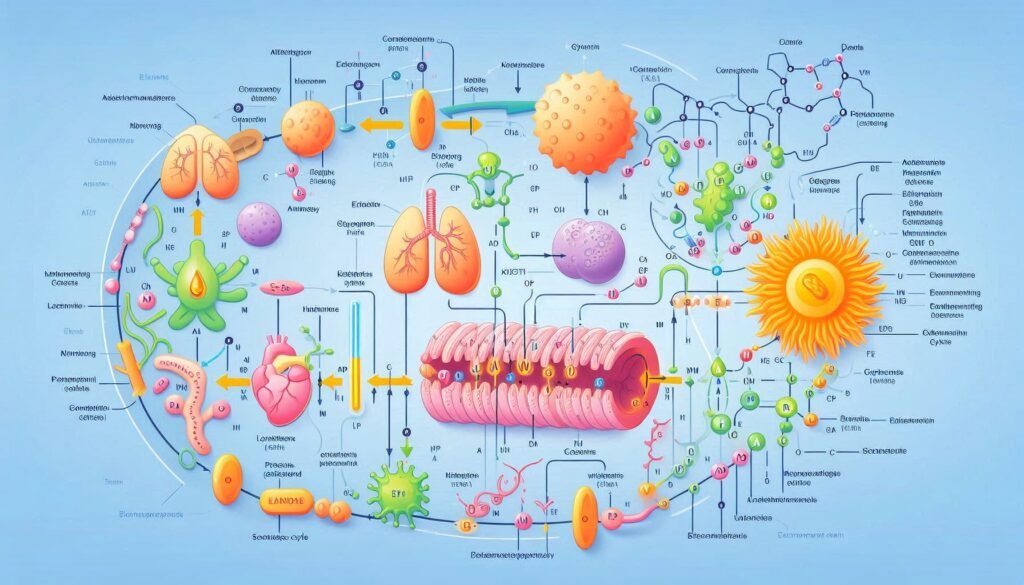
So, why are mitochondria so essential? They produce ATP (adenosine triphosphate). This molecule fuels nearly every process in your body. It supports activities from blinking to running a marathon. Here’s how they do it:
- Glycolysis: In the cell’s cytoplasm, sugar (glucose) is broken down into smaller molecules.
- Krebs Cycle: Inside the mitochondria, these molecules are further processed to release energy.
- Electron Transport Chain: Mitochondria use oxygen to create a proton gradient. This gradient drives ATP production. It is like how a waterwheel generates power from a stream.
This process, called cellular respiration, is why you breathe oxygen—it’s fuel for your mitochondria. Without them, your body couldn’t convert food into usable energy.
Why “Powerhouse”?
The term “powerhouse” was coined in the mid-20th century. Biologist Philip Siekevitz recognized mitochondria’s critical role in energy production. Unlike other organelles, for example the nucleus (the cell’s brain), mitochondria are dedicated to generating ATP. They are not like lysosomes (the cell’s cleanup crew). Their efficiency and output make them the ultimate energy factories, earning their iconic nickname.
Mitochondria Beyond Energy: Their Broader Role in Health
Regulation of Cellular Processes
Mitochondria do more than just churn out energy. They act like cellular multitaskers, helping regulate critical processes. For instance, they manage calcium signaling, which controls how cells communicate and operate. They are involved in apoptosis, or programmed cell death. This process helps remove damaged cells and prevents diseases like cancer.
Mitochondria and Metabolism
Your metabolism—the way your body processes food for energy—relies heavily on mitochondria. They break down fats and sugars, turning them into ATP. If your mitochondria are sluggish, your metabolism slows, which can lead to weight gain or difficulty losing weight. On the flip side, healthy mitochondria keep your metabolism humming, helping you keep a healthy weight.
Mitochondria in Aging and Disease
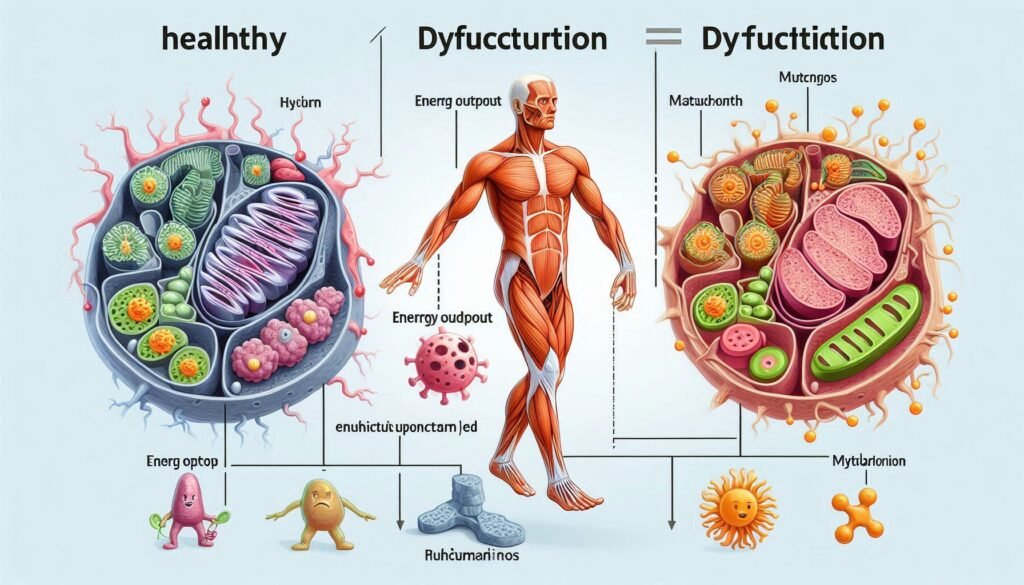
As we age, our mitochondria can lose their spark. They produce less ATP and generate more reactive oxygen species (ROS). These are harmful molecules that damage cells. This oxidative stress is linked to aging, wrinkles, and even serious conditions like Alzheimer’s, Parkinson’s, and heart disease. Mitochondrial dysfunction also plays a role in rare disorders like mitochondrial myopathy, where muscles weaken due to faulty energy production. By keeping your mitochondria healthy, you can slow aging and reduce disease risk.
The Connection Between Mitochondria and Fatigue
Why Fatigue Happens
Feeling tired all the time? Your mitochondria are struggling. When they can’t produce enough ATP, your body runs low on fuel, leaving you sluggish. Several factors can stress mitochondria:
- Poor diet high in sugar or processed foods.
- Lack of sleep, which disrupts mitochondrial repair.
- Environmental toxins like pollutants or pesticides.
These stressors cause mitochondria to churn out less energy and more ROS, creating a vicious cycle of fatigue.
Mitochondria and Chronic Fatigue Syndrome
Emerging research suggests that chronic fatigue syndrome (CFS) is linked to mitochondrial dysfunction. Studies show that people with CFS often have lower ATP production and higher oxidative stress. For example, a 2018 study in Scientific Reports found that CFS patients had impaired mitochondrial performance, explaining their persistent exhaustion. While more research is needed, this connection highlights the importance of mitochondrial health for energy.
The Energy-Fatigue Cycle
Low ATP production creates a feedback loop: less energy leads to reduced cellular activity. This reduced role makes you feel even more tired. Breaking this cycle requires boosting mitochondrial efficiency through lifestyle changes. The good news? Small tweaks can make a big difference, as we’ll explore next.
Suggested Visual: A flowchart showing the energy-fatigue cycle and how lifestyle changes can break it.
Supercharging Your Mitochondria: Practical Strategies
Nutrition for Mitochondrial Health
What you eat directly affects your mitochondria. Fuel them with the right nutrients, and they’ll reward you with boundless energy. Here are some power foods:
- Antioxidant-rich fruits and vegetables (e.g., blueberries, spinach) to combat ROS.
- Healthy fats (e.g., avocados, olive oil, fatty fish) to support mitochondrial membranes.
- Lean proteins (e.g., chicken, eggs) to offer amino acids for repair.
Key nutrients include CoQ10 (found in organ meats and nuts), magnesium (in leafy greens), and B vitamins (in whole grains). Avoid processed sugars and trans fats, which inflame mitochondria and sap energy.
Exercise and Mitochondrial Biogenesis
Exercise is like a gym session for your mitochondria. Activities like high-intensity interval training (HIIT) and aerobic exercise (e.g., jogging, cycling) trigger mitochondrial biogenesis, the process of creating new mitochondria. More mitochondria mean more energy. Start small—try a 20-minute walk or a quick HIIT workout three times a week. Even beginners can profit from gentle movement like yoga.
Suggested Visual: A photo of someone doing a HIIT workout or a chart showing how exercise boosts mitochondrial numbers.
Lifestyle Factors
Your daily habits play a huge role in mitochondrial health:
- Sleep: Aim for 7-9 hours of quality sleep to let mitochondria repair.
- Stress Management: Chronic stress spikes ROS, so try meditation or deep breathing.
- Avoid Toxins: Limit exposure to pollutants by choosing organic produce and filtering water.
Simple changes, like a 10-minute mindfulness session or swapping plastic containers for glass, can protect your mitochondria.
Supplements and Emerging Therapies
Certain supplements can give your mitochondria a boost:
- NAD+ precursors (e.g., nicotinamide mononucleotide) to support energy production.
- PQQ (pyrroloquinoline quinone) to promote mitochondrial growth.
- L-carnitine to help transport fats for energy.
Emerging therapies like red light therapy are also gaining attention for their potential to enhance mitochondrial function. Always consult a doctor before starting supplements or therapies.
Myths and Misconceptions About Mitochondria
Let’s clear up some confusion. First, mitochondria aren’t just about energy—they influence everything from metabolism to aging. Another myth? That supplements alone can fix poor mitochondrial health. While CoQ10 or NAD+ can help, they’re no match for a balanced diet and exercise. Finally, don’t fall for overhyped “mitochondrial hacks” on social media. Stick to evidence-based strategies for real results.
The Future of Mitochondrial Research
The future is bright for mitochondrial science! Researchers are exploring gene therapies to repair faulty mitochondria and mitochondrial replacement for inherited disorders. Personalized nutrition plans based on your mitochondrial profile will soon help you improve energy. These advances promise to revolutionize how we fight fatigue, slow aging, and prevent disease. Stay tuned—your mitochondria are about to get even more powerful!
Final Thoughts: Energize Your Life
Mitochondria are your body’s powerhouses, fueling everything from your morning jog to your late-night brainstorming sessions. Nourish them with the right foods to banish fatigue. Stay active and adopt healthy habits. These steps will unlock a vibrant, energized life. Start small—swap a sugary snack for a handful of blueberries or take a brisk walk. Your mitochondria will thank you, and you’ll feel the difference. Here’s to powering up and living your best life!

FAQ: Your Questions About Mitochondria Answered
Q: Can I improve my mitochondria at any age?
A: Absolutely! Mitochondrial activity declines with age. But, exercise, a nutrient-rich diet, and stress management can boost their performance at any stage of life.
Q: What’s the best diet for mitochondrial health?
A: Focus on whole foods like leafy greens, fatty fish, nuts, and berries. Avoid processed foods and sugars, which stress mitochondria.
Q: How quickly can I feel more energy by supporting my mitochondria?
A: Results vary. Many people notice a boost within weeks of adopting a mitochondrial-friendly lifestyle. This is especially true with consistent diet and exercise changes.
Q: Are supplements necessary for mitochondrial health?
A: Not always. A balanced diet and active lifestyle are the foundation. Supplements like CoQ10 or NAD+ precursors can help but should be discussed with a doctor.
Disclaimer: This article is written by an experienced health journalist and is intended for informational purposes only. It is not a substitute for professional medical advice, diagnosis, or treatment. Always consult a healthcare provider before making changes to your diet, exercise, or lifestyle.