Discover how to tackle nutritional deficiencies with 5 effective steps! Learn to recognize deficiency symptoms, improve nutrient intake, and achieve healthy nutrition for vitality.
Table of Contents
Introduction
Nutritional deficiencies affect over 2 billion people globally, yet these signs are often dismissed as inevitable aspects of daily life. Recognizing these indicators empowers individuals to take charge of their health. This article examines 23 unmistakable deficiency symptoms, explores their causes, and provides practical, evidence-based solutions to restore vitality.
The human body is a remarkable machine, constantly signaling its needs through subtle cues. When deprived of essential nutrients, it manifests clear warnings like fatigue, brittle nails, or mood swings. From dietary adjustments to lifestyle enhancements, readers will learn to improve nutrient intake with confidence.
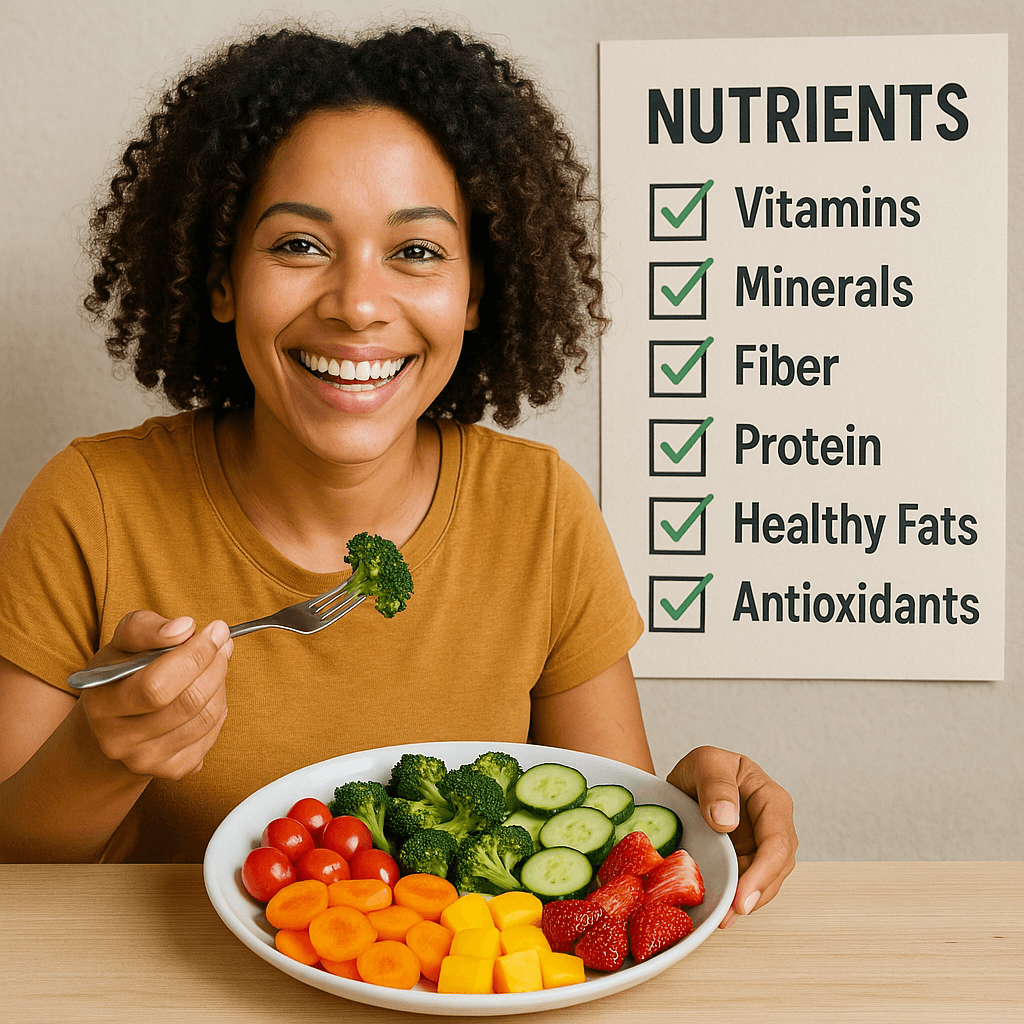
Understanding Nutrient Deficiencies: Causes and Impacts
The body relies on a delicate balance of vitamins, minerals, and macronutrients to operate optimally. Even a seemingly balanced diet can lead to nutrient deficiencies due to modern dietary patterns or health conditions. These shortfalls disrupt critical processes, affecting over 2 billion people worldwide. Addressing them is essential for maintaining vibrant health in 2025’s fast-paced environment.
What Are Nutrient Deficiencies?
Nutritional deficiencies occur when the body lacks adequate vitamins, minerals, or macronutrients. This shortage affects functions like energy production, immunity, or tissue repair. Micronutrient deficiencies, for example, low vitamin D or iron, impair bone health. They affect oxygen transport. Macromicronutrient shortages, like insufficient protein, hinder growth. Untreated, these can lead to conditions like anemia or osteoporosis. Early intervention with targeted nutrient intake can restore healthy nutrition.
Common Causes of Deficiencies
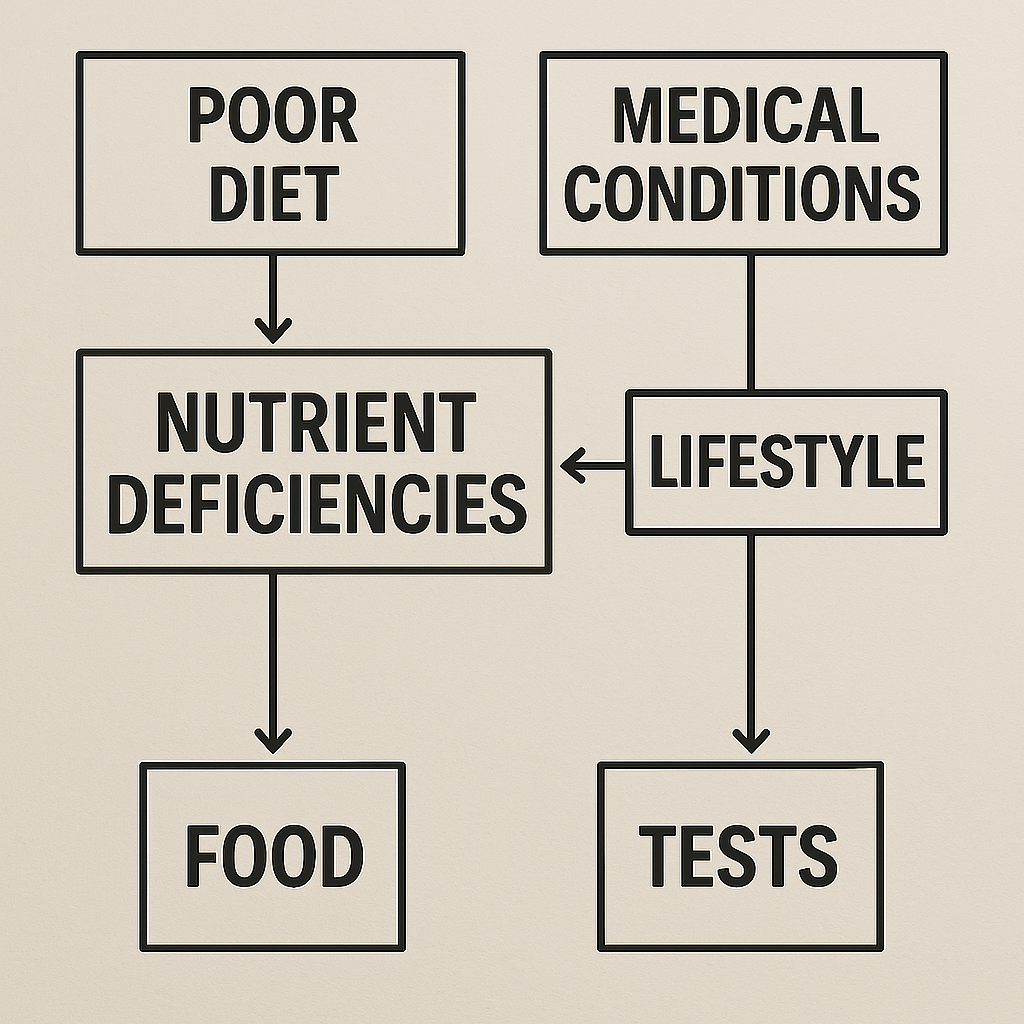
Several factors contribute to nutrient deficiencies. Poor dietary habits, like reliance on processed foods or restrictive diets (e.g., unplanned veganism), deplete nutrients like B12 or iron. Medical conditions, including celiac disease or Crohn’s, impair absorption, while aging reduces efficiency in processing vitamin B12. Medications like proton pump inhibitors can block magnesium uptake. Lifestyle stressors, like excessive alcohol consumption, exacerbate these issues. Identifying these causes enables proactive nutrient balance.
Why Addressing Deficiencies Matters
Neglecting nutritional deficiencies triggers a cascade of health problems. Iron deficiency causes anemia, leading to fatigue and pallor. Vitamin D insufficiency weakens bones, increasing fracture risk. Folate deficiency in pregnancy can result in neural tube defects. These are preventable with dietary adjustments, supplements, or medical oversight. Blood tests give precise insights into nutrient intake, allowing targeted interventions to enhance healthy nutrition.
The 23 Signs of Nutrient Deficiencies
The body communicates nutritional deficiencies through distinct deficiency symptoms. These 23 signs, spanning skin, hair, oral, sensory, and physical domains, serve as actionable alerts. Recognizing them enables precise correction of nutrient intake to restore well-being.
Skin and Hair Symptoms
Skin and hair show internal nutrient balance, offering visible clues to deficiencies.
- Brittle Hair and Nails: Indicates biotin, iron, or protein deficiency. Biotin strengthens keratin; iron supports growth. Consume eggs, nuts, or lean meats.
- Oily Skin or Acne: Suggests low zinc or omega-3s. Zinc regulates oil; omega-3s reduce inflammation. Include salmon or pumpkin seeds.
- Dry Skin or Dull Complexion: Points to vitamin A or iron shortages. Vitamin A aids cell turnover; iron enhances oxygenation. Try carrots or shellfish.
- Dark Circles Under Eyes: Linked to iron, B12, or vitamin K deficits. These nutrients improve circulation. Add leafy greens or dairy.
Oral and Sensory Symptoms
Oral and sensory signs often signal overlooked nutritional deficiencies.
- Bleeding Gums or Scurvy: Indicates vitamin C deficiency, risking scurvy. Vitamin C supports vessels. Eat citrus or bell peppers.
- Cracked Lips or Mouth Ulcers: Suggests riboflavin, folate, or iron deficits. These aid tissue repair. Include dairy or spinach.
- Burning Sensation in Mouth or Tongue: Points to B12 or folate shortage, affecting nerves. Try meat or fortified milks.
- Night Blindness: Signals vitamin A deficiency, impairing retinal performance. Consume liver or carrots.
Physical and Neurological Symptoms
Physical and neurological deficiency symptoms show deeper imbalances.
- Fatigue or Weakness: Linked to iron, B12, or vitamin D deficits, reducing energy. Eat red meat or fortified milk.
- Muscle Cramps or Weakness: Indicates low magnesium, potassium, or vitamin D. Try bananas or spinach.
- Bone Pain: Suggests vitamin D or calcium deficiency, weakening bones. Use dairy or sunlight.
- Tingling or Numbness: Points to B12 or magnesium shortage, affecting nerves. Include fish or supplements.
- Irregular Heartbeat: Linked to magnesium or potassium deficits, disrupting rhythm. Eat lentils or avocados.
- Mood Changes or Depression: Indicates folate, vitamin D, or B12 shortages, impacting brain health. Try eggs or sunlight.
- Frequent Infections: Suggests vitamin A or zinc deficiency, weakening immunity. Add nuts or carrots.
- Slow Wound Healing: Points to zinc, vitamin C, or vitamin K deficits. Include shellfish or citrus.
- Hair Loss: Linked to iron, zinc, or protein shortages. Try beans or eggs.
- Pale Skin: Indicates iron or B12 deficiency, reducing red blood cells. Eat liver or clams.
- White Spots on Nails: Suggests zinc deficiency, worsened by sugar. Use pumpkin seeds.
- Spoon-Shaped Nails: Points to iron deficiency anemia. Try red meat or spinach.
- Swollen Tongue: Indicates riboflavin or folate deficit. Include dairy or grains.
- Pica (Craving Non-Food Items): Signals iron or zinc deficiency. Eat beans or supplements.
- Bloating or Digestive Issues: Suggests malabsorption or multiple deficiencies. Consult a doctor and eat whole foods.
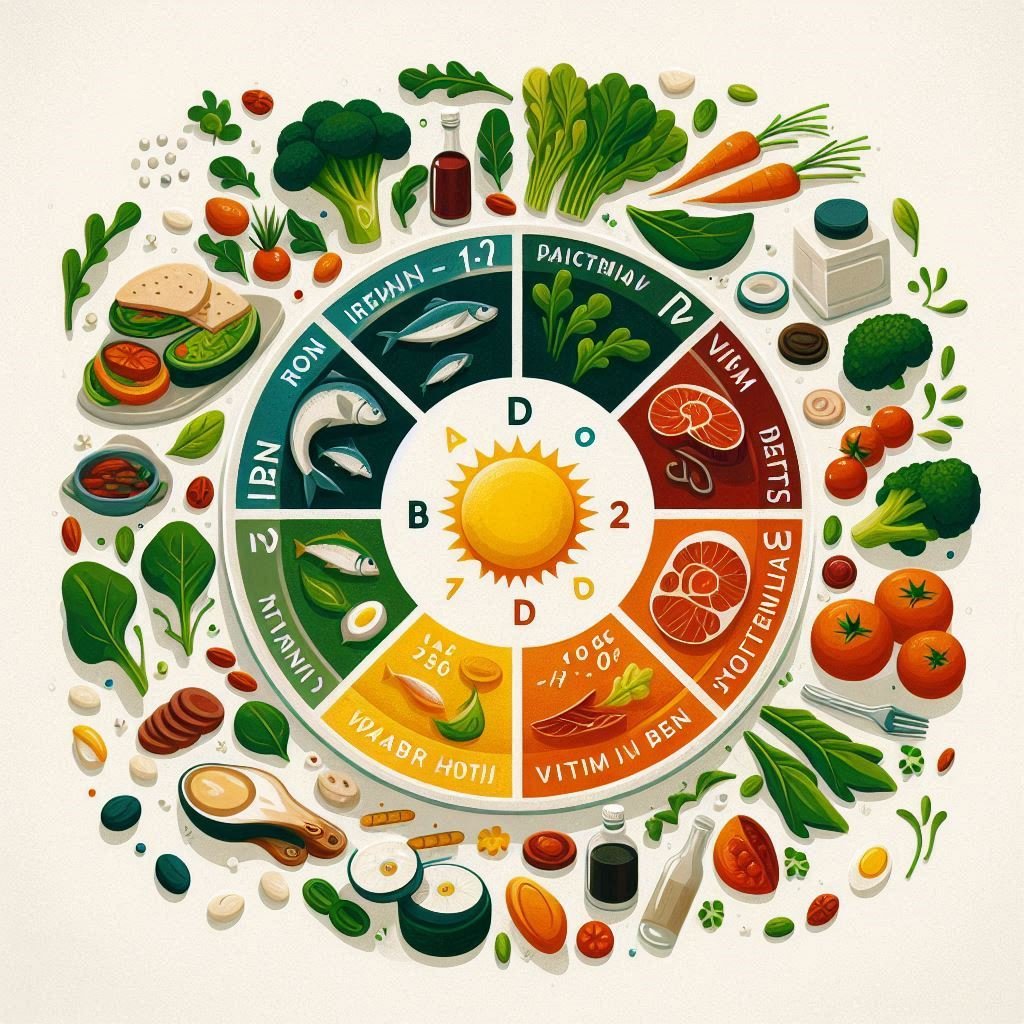
Key Nutrients and Their Roles
Understanding the roles of essential nutrients empowers effective management of nutritional deficiencies. Each nutrient supports specific functions, enabling informed nutrient intake decisions for healthy nutrition.
Iron: The Oxygen Carrier
Iron facilitates oxygen transport via red blood cells, preventing fatigue and pallor. Deficiencies cause anemia. Red meat, beans, and spinach are rich sources; pair with vitamin C (e.g., oranges) for absorption. The RDA is 8 mg/day for men and women over 50, 18 mg for women under 50, and 14.4 mg for vegetarians due to lower bioavailability. Adequate nutrient intake restores energy.
Vitamin B12: Nerve and Blood Health
Vitamin B12 supports nerve operation, DNA synthesis, and red blood cell production, with deficits causing fatigue or tingling. Meat, dairy, and eggs supply B12; vegans need fortified foods or supplements. The RDA is 2.4 mcg/day, with injections for absorption issues. Optimal nutrient balance enhances mental clarity.
Vitamin D: The Sunshine Vitamin
Vitamin D promotes calcium absorption and immunity, preventing bone pain or infections. Fatty fish, fortified milk, and sunlight are key sources. The RDA is 600 IU (19–70 years) and 800 IU (over 71), with supplements often needed in low-sunlight areas. Fifteen minutes of sunlight supports healthy nutrition.
Other Critical Nutrients
- Magnesium: Supports muscles and nerves (RDA: 400–420 mg men, 310–320 mg women). Found in spinach, nuts.
- Calcium: Strengthens bones (RDA: 1,000 mg). In dairy, fortified juices.
- Folate: Aids DNA synthesis (RDA: 400 mcg). In leafy greens, beans.
- Vitamin C: Boosts immunity (RDA: 75–90 mg). In citrus, peppers.
- Zinc: Supports immunity, skin (RDA: 8–11 mg). In shellfish, seeds.
- Potassium: Regulates heart, muscles (RDA: 2,600–3,400 mg). In bananas, avocados. A diverse diet ensures comprehensive nutrient intake.
How to Solve Nutrient Deficiencies
Identifying nutritional deficiencies is the first step; implementing solutions transforms health. Combining dietary adjustments, supplementation, lifestyle changes, and professional support ensures effective nutrient balance. Which approach will you focus on?
Dietary Strategies
A nutrient-dense diet is foundational for addressing nutrient deficiencies. Emphasize whole foods—vegetables, lean proteins, whole grains, and fruits. Pair iron-rich spinach with vitamin C-rich bell peppers to enhance absorption. Diversify with colorful produce (e.g., sweet potatoes for vitamin A, salmon for omega-3s). Avoid processed foods to keep healthy nutrition.
Supplementation: When and How
Supplements tackle gaps when diet falls short. Vegans need B12 injections, while those in northern climates gain from vitamin D. Zinc lozenges boost immunity, and magnesium aids cramps. Yet, excess iron or vitamin A can be toxic. Consult a healthcare provider before use, especially with medications, to confirm safe nutrient intake.
Lifestyle Adjustments
Lifestyle impacts nutrient balance. Chronic stress or excessive alcohol depletes magnesium and B vitamins. Practice meditation or limit alcohol intake. Smoking reduces vitamin C; quitting helps. For vitamin D, aim for 15–30 minutes of sunlight daily, adjusted for skin tone. These changes enhance absorption and support healthy nutrition.
Working with Healthcare Professionals
Blood tests accurately diagnose nutritional deficiencies, guiding targeted interventions. A dietitian can design a personalized plan, while a doctor will prescribe supplements or treat malabsorption. Regular check-ups prevent escalation. Professional collaboration ensures precise nutrient intake for optimal health.

Preventing Nutrient Deficiencies Long-Term
Proactive measures prevent nutritional deficiencies, promoting sustained vitality. Establishing healthy habits and monitoring ensures enduring healthy nutrition.
Building a Balanced Diet
There is a need to adhere to the Dietary Guidelines for Americans. This means filling half your plate with vegetables and fruits, a quarter with lean proteins for example chicken, beans), and a quarter with whole grains like quinoa. Use fortified foods like cereals for B12 or milk for vitamin D. Opt for nuts or yogurt over processed snacks to keep nutrient balance.
Special Considerations
Pregnant women need extra folate and iron, while older adults need enhanced B12 and vitamin D. Vegans should focus on fortified foods or supplements for B12 and iron. Those with Crohn’s or celiac disease need tailored plans for nutrient intake. Customization addresses unique risks.
Regular Monitoring
Annual blood tests detect nutritional deficiencies early. Track deficiency symptoms in a journal. Apps like MyFitnessPal track intake. Proactive monitoring sustains healthy nutrition.

Common Nutritional Mistakes and How to Avoid Them
Effective management of nutritional deficiencies requires avoiding common pitfalls to maintain healthy nutrition.
Over-Reliance on Supplements
Excessive supplement use risks toxicity (e.g., iron overload). Use them to complement, not replace, diet, per a 2020 Journal of Nutrition study. Consult a doctor for safe nutrient intake.
Ignoring Dietary Diversity
A monotonous diet misses nutrients, exacerbating deficiency symptoms. Include varied foods (e.g., fruits, proteins) for nutrient balance.
Neglecting Lifestyle Factors
Stress or smoking depletes nutrients like vitamin C. Manage stress with exercise and quit smoking to support healthy nutrition.
Misinterpreting Symptoms
Assuming fatigue is normal can delay addressing nutritional deficiencies. Persistent issues require medical evaluation for accurate nutrient intake.
Major Risks to Watch For
Nutrient deficiencies management risks include costly supplements ($20–$100/month), side effects (e.g., magnesium overdose), or ineffective products. Misinformation (e.g., “miracle cures”) can mislead. Seek professional advice for safe healthy nutrition.
Suggested Image: A person taking too many pills, contrasted with a balanced diet and doctor consultation.
Real-Life Nutritional Success Stories
Real individuals show how addressing nutritional deficiencies fosters healthy nutrition.
Case Study : The Tired Teen
Jake, a 16-year-old, added iron-rich spinach and B12 supplements. His energy soared, but he needed consistent nutrient intake to sustain gains.
Case Study 2: The Picky Eater
Lily, a 9-year-old, incorporated vitamin C-rich oranges and zinc-rich nuts. Her skin improved, though she diversified slowly to maintain nutrient balance.
Case Study 3: The Vegan Parent
Sara, a 34-year-old vegan, used fortified milk and B12 injections. Her mood lifted, but supplement costs posed a challenge for healthy nutrition.
Lessons Learned from Success Stories
A combination of diet, supplements, and consistency addresses nutritional deficiencies. Start small for lasting impact!

Path to Vibrant Health
Nutritional deficiencies are widespread, but they are preventable with proactive measures. By recognizing the 23 deficiency symptoms, individuals can take action. They can handle them through a nutrient-rich diet, judicious supplementation, and professional guidance.
This approach helps individuals achieve optimal healthy nutrition. Imagine awakening with abundant energy, radiant skin, and a clear mind—outcomes within reach by prioritizing nutrient balance. Start today with a simple step, like adding a vegetable to your plate or consulting a dietitian. Each action enhances your nutrient intake, paving the way for a healthier, more vibrant life. Share your nutritional deficiencies success

Frequently Asked Questions (FAQ)
Q: How do I know if I have a nutritional deficiency?
A: Symptoms like fatigue or brittle nails suggest deficiencies; blood tests confirm levels of iron, vitamin D, or B12. Consult a healthcare provider.
Q: Can I correct nutrient deficiencies with diet alone?
A: Yes, for mild cases, a varied diet with leafy greens or fish can suffice. Severe deficiencies need supplements.
Q: Are supplements safe for everyone?
A: Not always; excess iron or vitamin A can be harmful. Seek medical advice before altering nutrient intake.
Q: How long does it take to resolve a nutritional deficiency?
A: Mild deficiencies improve in weeks with diet; severe cases (e.g., B12) take months with supplements or injections.
Q: Can lifestyle changes prevent nutrient deficiencies?
A: Yes, a balanced diet, stress reduction, and sunlight exposure uphold healthy nutrition.
Q: What foods help with deficiency symptoms?
A: Iron-rich red meat, vitamin D-rich milk, and zinc-rich nuts tackle specific needs for nutrient balance.
Q: Should I see a doctor for nutritional deficiencies?
A: Yes, persistent deficiency symptoms justify professional evaluation for tailored nutrient intake.
Q: What are the risks of ignoring nutritional deficiencies?
A: Untreated deficiencies can lead to anemia or osteoporosis. Seek guidance to guarantee safe healthy nutrition.
Disclaimer: This article is written by a health journalist for informational purposes only. It is not a substitute for professional medical advice, diagnosis, or treatment. Always consult a qualified healthcare provider. This includes a doctor or dietitian. Do this before making changes to your diet, starting supplements, or addressing potential nutritional deficiencies. Individual health needs vary, and improper supplementation or dietary changes can pose risks. The author and publisher are not liable for any adverse effects resulting from the use of this information. Do not share personal information that can identify you.