Learn how to beat inflammation naturally with 7 strategies for a healthier lifestyle and vibrant foods that promote wellness. We offer 7 effective strategies on how to beat inflammation naturally. These include eating vibrant foods, moving your body, and nurturing your gut. In this article, we’ll break down the science of inflammation in plain language. We will uncover what causes it and show you how to beat inflammation naturally. Additionally, we will share practical tips on how to beat inflammation naturally, helping you feel your best. Ready to put out the fire and embrace vibrant health? Let’s dive in and learn how to beat inflammation naturally!
Table of Contents
The Science of Inflammation: How It Works
Inflammation is like a fire alarm in your body—essential for survival, but disruptive when it won’t turn off. It’s your immune system’s way of responding to threats, like germs or injuries. Nonetheless, when it becomes chronic, it can harm more than it helps. Understanding how inflammation works empowers you to take control of your health. Let’s break it down in simple terms. We will explore what inflammation is and how it functions. We will also discuss why chronic inflammation is a problem you can tackle naturally.
These strategies are essential for anyone looking to beat inflammation naturally.
1. What Is Inflammation?
Imagine you stub your toe: it swells, turns red, and hurts. That’s inflammation at work, your body’s natural response to protect and heal itself. Acute inflammation happens fast—it fights infections or repairs tissues, then fades away. Chronic inflammation, nevertheless, is like a smoldering fire that lingers, quietly damaging your body. It’s linked to over 50% of deaths from chronic diseases, according to the World Health Organization. By learning to spot inflammation, you can act early to keep it in check.
The Biological Mechanisms
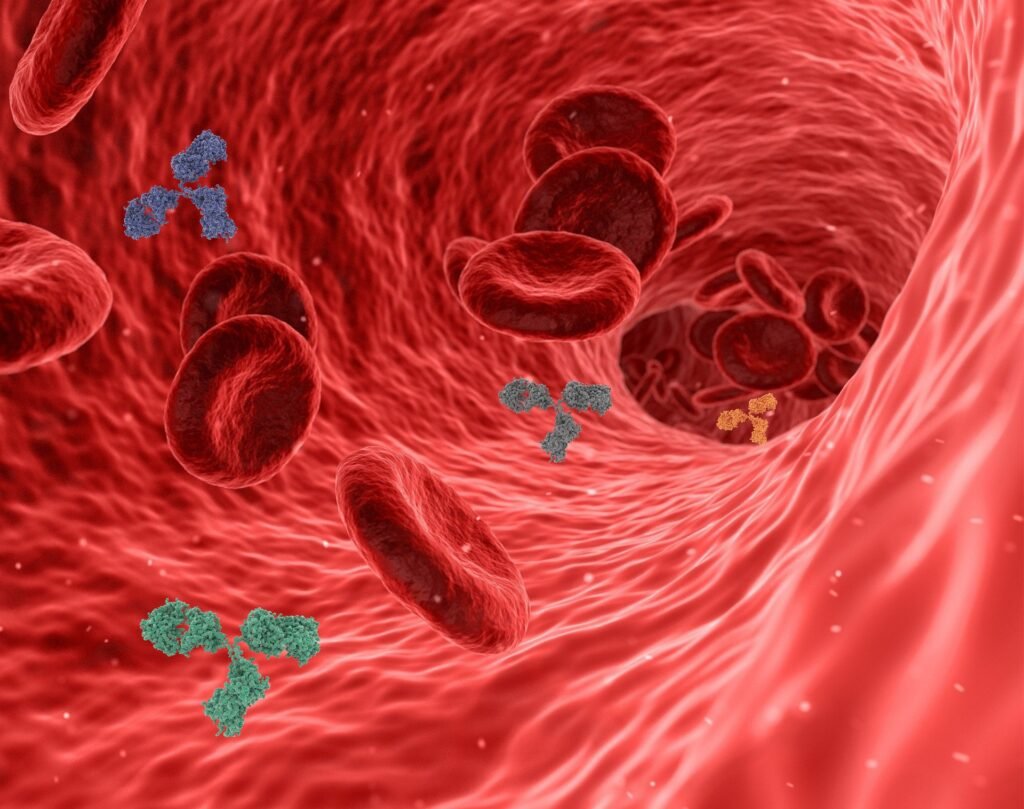
So, what’s happening inside your body during inflammation? When you’re injured or exposed to something harmful, like bacteria, your immune system springs into action. It releases chemicals called cytokines and chemokines, which act like messengers, rallying white blood cells to the scene. These cells fight off invaders and repair damage. Yet, they also produce free radicals. These are unstable molecules that can harm healthy tissues if they are overproduced. In chronic inflammation, this process doesn’t stop, creating a cycle of damage. Think of it like a car engine revving too long—it overheats and wears out. The good news? You can cool this process with natural strategies.
Acute vs. Chronic Inflammation
Acute inflammation is your body’s superhero—it swoops in to save the day, then leaves. For example, a scraped knee heals in days. Chronic inflammation sticks around like an unwanted guest. It is driven by ongoing stressors like poor diet or stress. It’s linked to serious conditions like heart disease and arthritis. Blood tests, like those measuring C-reactive protein (CRP), can reveal chronic inflammation levels. Fortunately, simple changes can turn down the heat. Eating more veggies or getting better sleep can give you control over your health.
2. Causes and Triggers of Chronic Inflammation
Chronic inflammation doesn’t just happen—it’s fueled by everyday choices and hidden stressors. From the foods you eat to the stress you carry, multiple factors can keep your body’s fire burning. By identifying these triggers, you can make smart changes to reduce inflammation and feel amazing. Let’s explore the main culprits behind chronic inflammation and how you can tackle them.
Dietary Drivers of Inflammation
What you eat plays a huge role in inflammation. Sugary snacks, white bread, and fried foods are loaded with trans fats or seed oils. Fried foods use oils like canola or soybean oil. Consuming these foods is like pouring fuel on the fire. These foods spike blood sugar and insulin, triggering inflammatory chemicals like interleukin-6 (IL-6). For example, a 2018 study in The Journal of Nutrition found that high-sugar diets increase CRP levels. On the flip side, swapping these for nutrient-rich foods like berries or salmon can calm inflammation fast. You have the power to choose foods that heal rather than harm.
Lifestyle and Environmental Triggers
Your lifestyle can either fan the flames of inflammation or help extinguish them. Chronic stress pumps out cortisol, a hormone that promotes inflammation when elevated too long. Lack of sleep disrupts your immune system, while sitting all day slows circulation, worsening inflammation. Environmental toxins, like air pollution or pesticides in non-organic produce, also contribute by creating oxidative stress. The solution? Simple habits like a daily walk or deep breathing can make a big difference. You’re not stuck—small changes can transform your body’s response.
Medical and Genetic Factors
Sometimes, inflammation stems from factors beyond your immediate control. Conditions like obesity or insulin resistance fuel inflammation by increasing cytokine production. Autoimmune diseases, for example rheumatoid arthritis, cause your immune system to attack healthy tissues, creating chronic inflammation. Genetic variations, like those affecting cytokine genes, can also make some people more prone to inflammation. But don’t worry. While you can’t change your genes, natural remedies like a healthy diet can still work wonders. Managing stress can also work wonders. You’re stronger than your challenges!
3. Health Consequences of Chronic Inflammation
Chronic inflammation is a silent culprit behind many health problems, sneaking up on you and causing trouble over time. Its effects are far-reaching, from heart disease to joint pain. The good news is that you can fight back with natural strategies. Let’s explore how inflammation impacts your health and why acting early is a game-changer.
Impact on Chronic Diseases
Chronic inflammation is like a slow-burning fire that damages your body over years. It plays a role in heart disease. It promotes plaque buildup in arteries. This was noted in a 2020 New England Journal of Medicine study. It also drives type 2 diabetes by making cells resistant to insulin. In joints, inflammation causes arthritis, leading to pain and stiffness. Emerging research even links it to Alzheimer’s disease and depression, showing how far its reach extends. By tackling inflammation now, you’re investing in a healthier future.
Common Symptoms
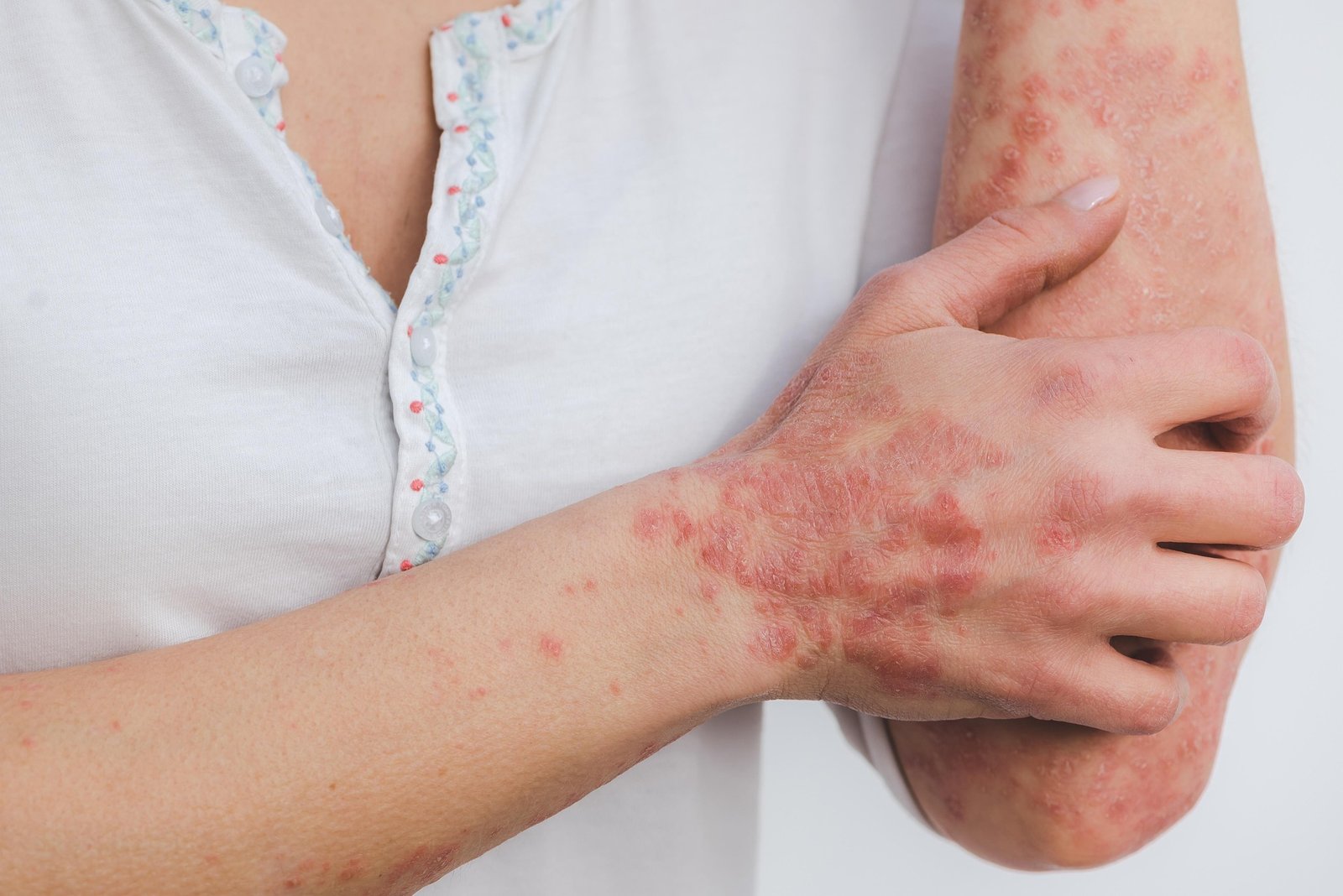
Inflammation doesn’t always announce itself loudly. You feel tired all the time, struggle with achy joints, or notice bloating and digestive issues. Unexplained weight gain or skin problems, like redness, can also be signs. Many people brush these off as “just aging,” but they’re often clues that your body needs help. Recognizing these symptoms empowers you to take action and feel better fast.
The Importance of Early Action
Catching inflammation early is like putting out a small fire before it spreads. Left unchecked, it can lead to serious complications. Nevertheless, addressing it with natural remedies can reverse damage. These remedies can also boost your energy. Simple steps, like eating anti-inflammatory foods or getting more sleep, can lower inflammatory markers like CRP. You don’t need to wait for a diagnosis—start today and watch your body thrive.
4. Natural Strategies to Reduce Inflammation
You don’t need drugs to tame inflammation—nature offers powerful tools to cool your body’s internal fire. From vibrant foods to smart supplements and lifestyle tweaks, these strategies are accessible and effective. Let’s dive into the best ways to fight inflammation naturally and feel your best.
Anti-Inflammatory Diet
Food is your first line of defense against inflammation. Load your plate with anti-inflammatory superstars like leafy greens (spinach, kale), fatty fish (salmon, mackerel), and berries (blueberries, strawberries). These foods are packed with omega-3 fatty acids, antioxidants, and polyphenols that fight inflammation. For example, a 2019 American Journal of Clinical Nutrition study showed that omega-3s reduce cytokine levels. Turmeric, with its active compound curcumin, is another powerhouse—add it to soups or smoothies. Try a Mediterranean-style diet, rich in olive oil and nuts, or experiment with intermittent fasting to lower insulin spikes. Swap sugary snacks for almonds or an apple, and you’ll feel the difference in days. Check out Harvard Health’s guide to anti-inflammatory foods for more inspiration.
Supplements for Inflammation
Supplements can boost your anti-inflammatory efforts when diet alone isn’t enough. Omega-3 fish oil (1–2 g/day) reduces cytokines, as supported by a 2021 Nutrients study. Curcumin (500–1,000 mg/day) blocks inflammatory pathways. Vitamin D (2,000–4,000 IU/day) supports immune balance, especially if you’re low. This deficiency is common in winter. Ginger supplements (1 g/day) offer antioxidant benefits. Always choose high-quality brands and consult a doctor, as supplements can interact with medications. Visit the National Institutes of Health for details on safe supplement use. With the right choices, supplements can supercharge your inflammation-fighting plan.
Lifestyle Modifications
To successfully beat inflammation naturally, it’s vital to understand its triggers. You must learn how to counteract them through lifestyle changes and diet.
Your daily habits can either fuel or fight inflammation. Stress is a major culprit, so try mindfulness or deep breathing for 5 minutes daily to lower cortisol. Sleep is critical. Aim for 7–8 hours nightly to regulate immune responses. Poor sleep spikes inflammation. This is according to a 2020 Sleep Medicine study. Exercise, like a 30-minute walk or yoga session, improves circulation and reduces inflammatory markers. Avoid toxins by choosing organic produce and filtered water when possible. These changes are simple but powerful, helping you feel energized and in control. Explore The Mayo Clinic’s stress management tips for practical ideas.
5. The Gut-Inflammation Connection
Recognizing how to beat inflammation naturally empowers you to take control of your health.
Understanding how to beat inflammation naturally includes knowing the role of cytokines.
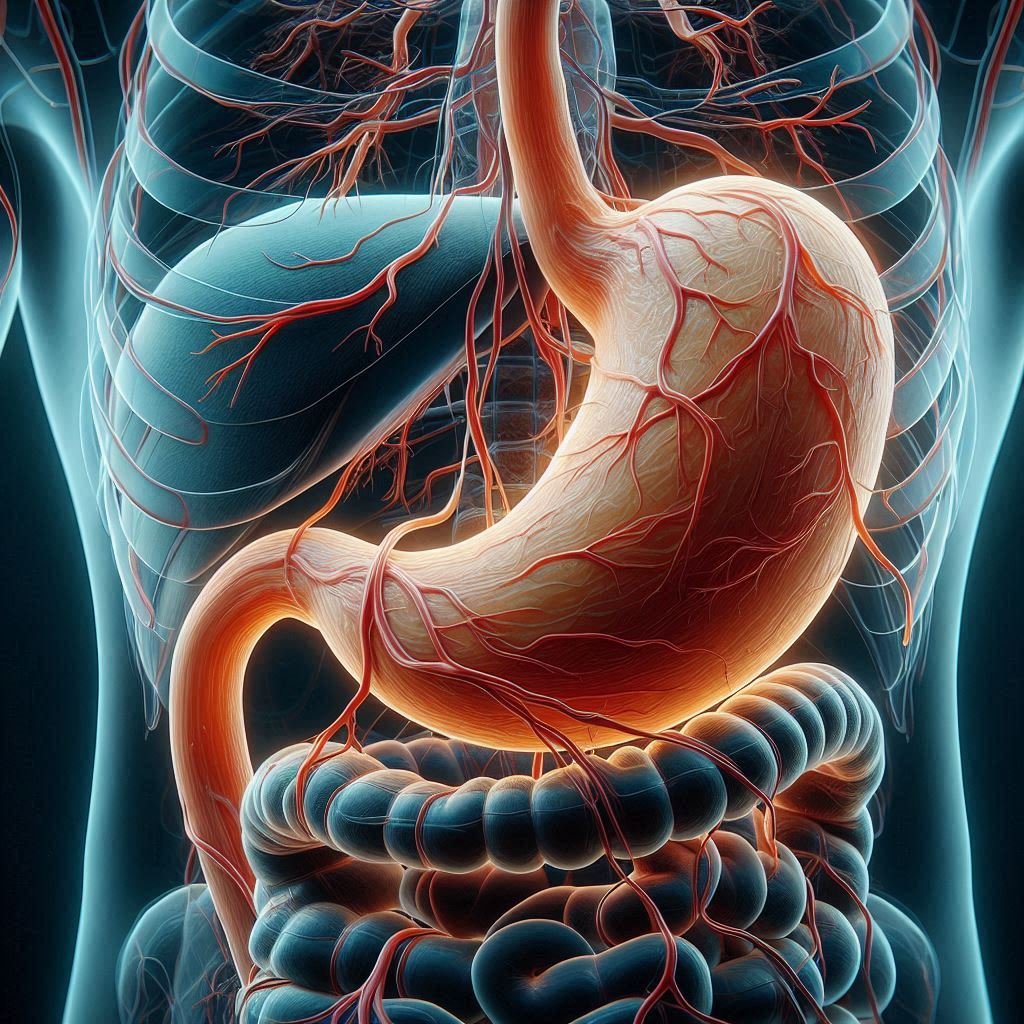
Your gut is the gateway to your immune system, and healing it can dramatically reduce inflammation. Think of your gut as the control center for your body’s defenses—when it’s out of balance, inflammation spreads. Let’s explore how your gut influences inflammation and how to nurture it naturally.
How Gut Health Drives Inflammation
Your gut houses trillions of bacteria that regulate your immune system. When the gut lining becomes “leaky” (increased permeability), toxins and undigested food particles slip into your bloodstream, triggering inflammation. This condition, called leaky gut syndrome, is linked to chronic inflammation, as noted in a 2017 Frontiers in Immunology study. An imbalanced microbiome—too few good bacteria—also ramps up cytokines production. By healing your gut, you can calm inflammation throughout your body.
Gut-Healing Foods and Practices
Feed your gut with anti-inflammatory foods like yogurt, kefir, or sauerkraut, which are rich in probiotics to restore good bacteria. Prebiotic foods, like garlic, onions, and bananas, nourish those bacteria. Bone broth, packed with collagen, helps repair the gut lining. Avoid gluten, artificial sweeteners, and processed foods, which can disrupt gut health. Drinking plenty of water and eating fiber-rich veggies also supports digestion. Check out the Cleveland Clinic’s gut health tips for more ways to strengthen your gut.
Monitoring and Supporting Gut Health
Incorporating these foods is crucial if you want to beat inflammation naturally.
To keep your gut in top shape, consider tests like stool analysis or food sensitivity panels, available through healthcare providers. These can pinpoint issues like bacterial imbalances or food triggers. Regularly eating fermented foods and minimizing stress also support long-term gut health. By prioritizing your gut, you’re building a foundation for less inflammation and better overall wellness.

To combat this, learning how to beat inflammation naturally through lifestyle changes is crucial.
6. Practical Steps to Build an Anti-Inflammatory Lifestyle
It is essential to tackle these factors if you want to learn how to beat inflammation naturally.
Transforming your health starts with simple, sustainable changes that target inflammation at its source. You don’t need to overhaul your life overnight—small steps add up to big results. Let’s walk through how to create an anti-inflammatory routine that’s easy to stick with.
Crafting an Anti-Inflammatory Meal Plan
This knowledge empowers you to take action and learn how to beat inflammation naturally.
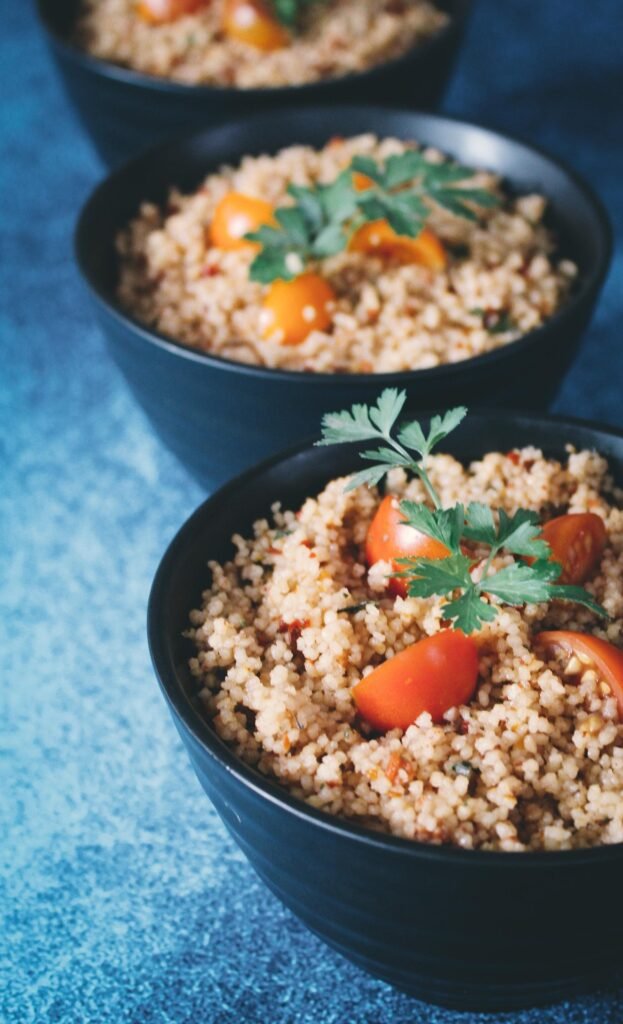
Start your day with a smoothie blending spinach, blueberries, and flaxseeds (omega-3s and antioxidants). For lunch, try a kale salad with grilled salmon, avocado, and olive oil dressing. Dinner is turmeric-spiced chicken with roasted broccoli and sweet potatoes. Prep meals weekly to save time—chop veggies or cook grains in bulk. Shop for quality ingredients at farmers’ markets or choose organic when possible. A sample plan like this covers anti-inflammatory nutrients and tastes great. Visit EatingWell’s anti-inflammatory meal plans for more recipes.
Understanding the chronic diseases linked to inflammation can help you learn how to beat inflammation naturally.
Integrating Lifestyle Changes
By recognizing these symptoms, you can learn how to beat inflammation naturally and take action.
Early action helps you learn how to beat inflammation naturally before it escalates.
Start with one change, like cutting out soda or taking a 10-minute walk daily. Gradually add more: try meditation for stress, aim for 7–8 hours of sleep, or swap processed snacks for nuts. Track your progress in a journal—note energy levels or reduced joint pain to stay motivated. Even small wins, like feeling less bloated, show you’re on the right path. Consistency is key, and you’ll love how energized you feel.
Overcoming Barriers
Cravings or busy schedules can derail your efforts, but you can outsmart them. Keep healthy snacks like almonds or fruit handy to curb sugar cravings. Batch-cook meals on weekends to save time. If exercise feels tough, start with short walks or stretching. A nutritionist can tailor a plan to fit your life, making it easier to stick with. You’re capable of overcoming any challenge with the right tools!
7. Your Journey to a Healthier You
Chronic inflammation is a hidden threat, but you hold the power to extinguish it and thrive. By understanding its causes—like poor diet, stress, or gut issues—you can take charge with natural strategies. Eat colorful foods like berries and salmon. Add supplements like omega-3s. Embrace habits like sleep and exercise. These can transform your health. Imagine waking up with more energy, less pain, and a brighter mood—all within your reach. Start with one small step, like swapping chips for nuts or trying a 5-minute meditation. Every choice moves you closer to a vibrant, inflammation-free life. You’ve got this—begin your journey today and feel the difference!
FAQ Section
Q: How do I know if I have chronic inflammation?
A: Symptoms like fatigue, joint pain, or bloating can hint at inflammation. Blood tests for CRP or IL-6 give a clear picture. Consult a doctor to confirm.
Q: Can diet alone reduce inflammation?
When considering how to beat inflammation naturally, it’s vital to focus on gut health.
A: Yes, foods like salmon, berries, and turmeric can lower inflammation significantly. Pairing diet with lifestyle changes, like exercise, boosts results.
Q: Are anti-inflammatory supplements safe?
A: Omega-3s, curcumin, and vitamin D are generally safe but can interact with medications. Check with a healthcare provider before starting.
Q: How long does it take to reduce inflammation naturally?
Focusing on gut-healing foods is another way to beat inflammation naturally.
Regular monitoring and support can be a part of your plan to beat inflammation naturally.
A: You notice changes in weeks with diet and lifestyle tweaks, but deeper healing can take months. Consistency is key!
Q: Can stress really cause inflammation?
A: Absolutely! Chronic stress raises cortisol, which fuels inflammation. Try mindfulness or yoga to calm your body and mind.
By following these practical steps, you can effectively learn how to beat inflammation naturally.
Disclaimer
This article is written by a health journalist for informational purposes only. It is not a substitute for professional medical advice, diagnosis, or treatment. Always consult a qualified healthcare provider. Seek guidance from a doctor or dietitian before making dietary changes, starting supplements, or addressing health concerns related to inflammation. Individual health needs vary, and improper use of supplements or lifestyle changes pose risks. The author and publisher are not liable for any adverse effects resulting from the use of this information. Do not share personal information that can pinpoint you.
Start small, but focus on how to beat inflammation naturally with each change.
Overcoming barriers is essential in your quest to beat inflammation naturally.