
Discover biohacking to improve health and achieve peak performance! Learn 5 beginner biohacking techniques, advanced tools, and nutrition tips to enhance energy, focus, and longevity.
Table of Contents
Introduction
Imagine waking up with boundless energy. Picture having razor-sharp focus and the resilience to live healthier for decades. Biohacking can make this a reality. it is the practice of using science-backed biohacking techniques to enhance health and achieve peak performance. By tweaking your diet, sleep, exercise, or mindset, you take control of your biology to unlock your full potential. From beginners to experts, anyone can use this practice to enhance energy, focus, and longevity.
Nonetheless, biohacking isn’t without pitfalls. Critics argue it can be overhyped, costly, or risky if mismanaged. This guide explores the principles, beginner techniques, advanced tools, and real-world stories to help you start safely and effectively. Ready to transform your life? Which one will you try first? Share your thoughts on X!
Understanding Biohacking
This is more than a trend; it’s a science-driven approach to optimizing health and achieving peak performance. Let’s dive into what process is, its scientific roots, and who can gain.
What Is Biohacking?
This process involves experimenting with lifestyle changes—diet, exercise, sleep, or technology—to enhance physical and mental performance. Pioneers like Dave Asprey popularized this practice. They used tools like Bulletproof Coffee, which blends coffee, butter, and MCT oil for sustained energy. From simple hacks like drinking more water to advanced techniques like genetic testing, this method aims for health improvement. Critics warn that unproven biohacks, like experimental supplements, can pose risks if not researched properly.
The Science Behind Biohacking
Biohacking leverages biology and neuroscience to improve how your body functions. For example, epigenetics shows that lifestyle choices—like diet or stress management—can influence gene expression, impacting energy or disease risk. Studies on PubMed highlight how quality sleep reduces inflammation and boosts cognition, a cornerstone of biohacking techniques. Nonetheless, some of them, like certain nootropics, lack robust evidence, so skepticism is warranted.
Who Can Biohack?
Anyone can start biohacking, regardless of budget or skill. Beginner techniques, like optimizing sleep or walking daily, are free and accessible. Advanced tools, like DNA testing, cost more, but aren’t necessary to start. Still, overzealous users risk burnout by trying too many changes at once. Start small to achieve peak performance sustainably.
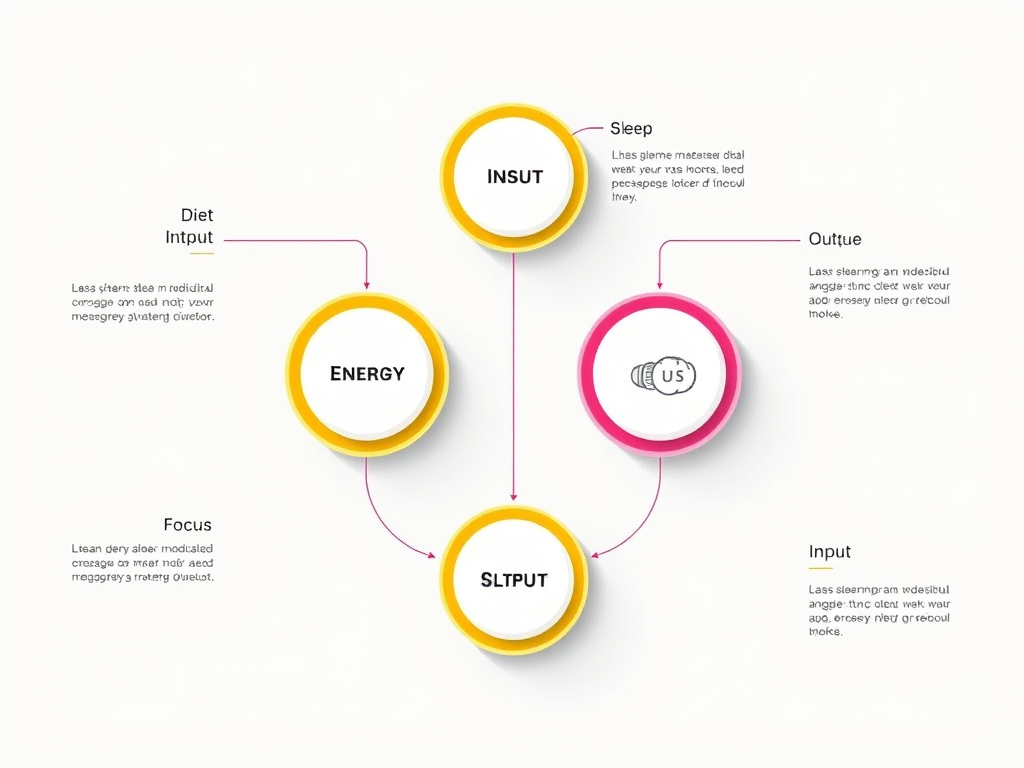
Core Principles of Biohacking
The process is built on three pillars: self-experimentation, personalization, and iterative improvement. These principles guide you to improve health effectively.
Self-Experimentation
Biohacking thrives on testing and tracking. Want to boost focus? Try meditating for 10 minutes daily and check your productivity. Tools like Oura Ring or MyFitnessPal track sleep or nutrition, providing data to refine your approach. Yet, misinterpreting data or pushing too hard without guidance can lead to setbacks.
Personalization
Your body is unique, so these techniques must be tailored. A keto diet energizes one person but drain another. Use DNA tests or food sensitivity tests to change your plan. For example, eliminating dairy reduce bloating for some. Critics note that personalization can be expensive, but simple tweaks like adjusting meal timing are free.
Iterative Improvement
This hack isn’t about instant results. Small, consistent changes—like adding a 10-minute walk—compound over time for health improvement. This requires patience, which can frustrate those seeking quick fixes. Track progress to stay motivated.
5 Beginner-Friendly Biohacking Techniques
You don’t need a lab to start biohacking—here are five simple, science-backed techniques to improve health today. Which one will you try? Share on X!
Improve Your Sleep
Sleep is the cornerstone of biohacking. Poor sleep disrupts hormones and focus, while quality rest boosts peak performance. Aim for 7-9 hours nightly in a dark, cool (60-67°F) room. Use f.lux to reduce blue light from screens, which suppresses melatonin. Try magnesium supplements (consult a doctor) or track sleep with Sleep Cycle. Obsessing over sleep metrics can cause anxiety, so focus on consistency.
Intermittent Fasting for Metabolic Health
Intermittent fasting (IF) involves cycling between eating and fasting to improve metabolism and mental clarity. The 16:8 method (fast 16 hours, eat within 8) is beginner-friendly. Start by skipping breakfast, eating from noon to 8 p.m., and staying hydrated. IF enhances insulin sensitivity but isn’t for everyone—those with diabetes should consult a doctor.
Cold Exposure for Resilience
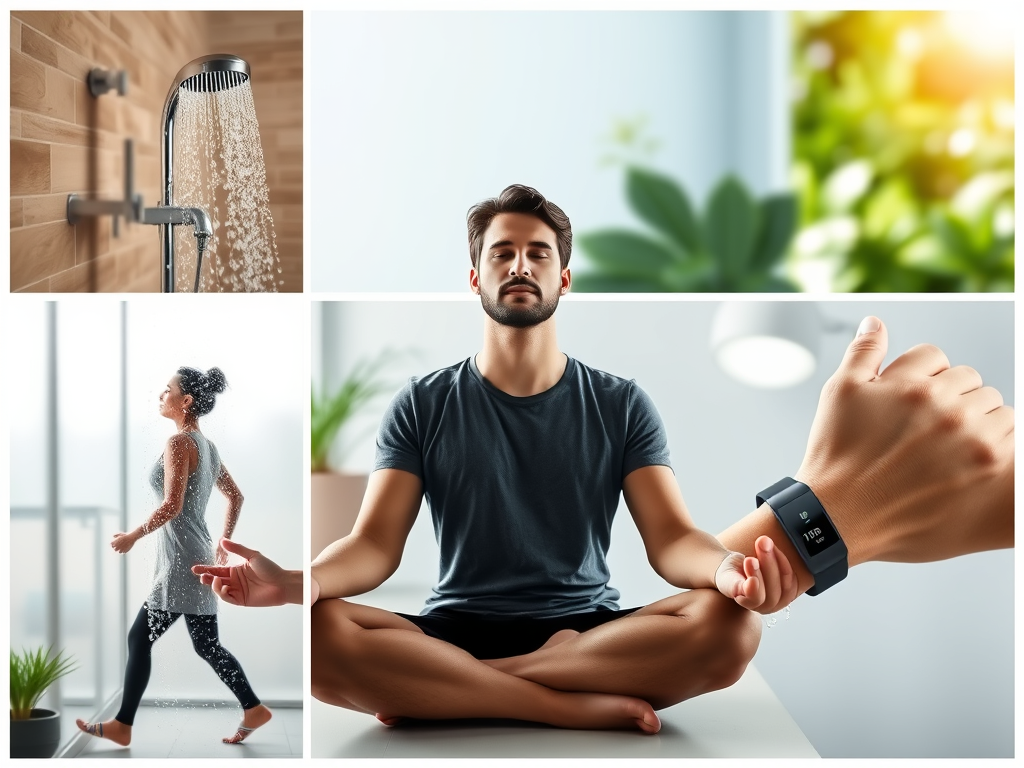
Cold showers or ice baths reduce inflammation and boost mood via endorphins. Start with 30-second cold showers, building to 2-3 minutes. PubMed studies show cold exposure aids recovery and immunity. It’s uncomfortable, and those with heart conditions should seek medical advice.
Movement and Exercise Optimization
Daily movement is key to health optimization. Walk 10,000 steps daily or try high-intensity interval training (HIIT) for 20 minutes, three times weekly. Zone 2 cardio, like brisk walking, builds endurance. Track with a Fitbit. Overtraining risks injury, so rest adequately.
Mindfulness and Cognitive Enhancement
Stress undermines health, but mindfulness fights back. Practice 10-minute meditation with Headspace or box breathing (inhale 4 seconds, hold 4, exhale 4, hold 4). These reduce cortisol and improve focus. Meditation can feel tough initially, so be patient for peak performance.
Suggested Image:
Advanced Biohacking Tools and Technologies
Mastered the basics? Advanced tools can elevate your health improvement. Here’s a deeper look, including specific examples.
Wearable Devices
Wearables like Whoop or Apple Watch track heart rate variability (HRV), sleep, and activity. For example, Whoop’s HRV data helps you adjust workouts—low HRV signals rest days. A user reported better recovery by syncing exercise with HRV trends. Wearables are pricey, and over-reliance on data can stress some users.
Nootropics and Supplements
Nootropics, or “smart drugs,” enhance cognition. For example, combining caffeine (100 mg) with L-theanine (200 mg) improves focus without jitters, per Examine.com. Lion’s mane mushrooms support brain health but cause mild stomach upset. Consult a doctor, as untested supplements risk side effects.
Biohacking Gadgets
Red light therapy panels reduce inflammation, while pulsed electromagnetic field (PEMF) devices like Omi claim to boost recovery. A marathon runner reported faster muscle repair using red light therapy post-race. Evidence varies, and costs can exceed $500, so research carefully.
Blood Testing and Biomarkers
Tracking biomarkers like cortisol or vitamin D personalizes biohacking. InsideTracker analyzes bloodwork, suggesting diet tweaks. For example, low vitamin D led one user to supplement, boosting energy. Testing is expensive ($100-$500), and misinterpreting results without a doctor can cause worry.

Nutrition as a Biohacking Cornerstone
Your diet directly shapes energy, mood, and longevity—this nutrition is essential for peak performance.
The Role of Nutrition in Biohacking
Food impacts hormones, gut health, and brain function. Diets like keto or paleo stabilize energy for many users. Extreme diets risk nutrient deficiencies, so balance is key for health improvement.
Elimination Diets and Food Sensitivity Testing
Elimination diets remove triggers like gluten or dairy for 30 days to identify sensitivities. Reintroduce foods slowly to spot issues like bloating. Everlywell tests offer insights but cost $100-$200 and aren’t always accurate.
Superfoods and Functional Foods
Add superfoods like MCT oil, collagen, or adaptogens (e.g., ashwagandha) for energy and recovery. Blend MCT oil into coffee for sustained focus. Critics argue superfoods are overhyped—whole foods like vegetables are often enough.
Hydration and Electrolytes
Drink 8-10 cups of water daily to support cognition and performance. Add electrolytes (sodium, potassium) during fasting or exercise. Overhydration can dilute electrolytes, so monitor intake.

The Mindset of a Biohacker
Biohacking isn’t just tools—it’s a mindset of curiosity, discipline, and resilience for health optimization.
Embracing Self-Experimentation
Approach biohacking like a scientist. Test a new sleep routine and track energy levels. As Dave Asprey says, “Test, learn, optimize.” Fear of failure can stall progress, so view setbacks as data. Try journaling to reflect on experiments.
Building Consistency
Consistency beats intensity. Pair a biohack, like meditation, with a habit, like morning tea (habit stacking). A study from PubMed shows habits form in 21-66 days. Lack of consistency derails results, so start small.
Staying Curious and Informed
Explore credible resources like The Bulletproof Radio podcast or The 4-Hour Body by Tim Ferriss. Join X communities to discuss biohacking techniques. Beware of hyped claims lacking evidence.
Suggested Image: A person journaling biohacking progress next to a stack of books like The 4-Hour Body.
Common Biohacking Mistakes and How to Avoid Them
Biohacking can transform your life, but pitfalls can hinder progress. Avoid these to optimize health safely.
Overcomplicating the Process
Chasing multiple biohacks—like fasting, gadgets, and supplements—overwhelms beginners. Start with sleep or diet tweaks to build confidence. Simplicity prevents burnout.
Ignoring Professional Advice
Self-diagnosing or overusing supplements risks harm. Consult a doctor for nootropics or blood tests. For example, excessive vitamin D can cause toxicity.
Neglecting Mental Health
Over-optimizing can lead to stress or obsession. Balance biohacking with rest and hobbies to maintain mental well-being.
Misinterpreting Data
Wearables provide data, but misreading low HRV as “unhealthy” can cause worry. Work with professionals to interpret results accurately.
Major Risks to Watch For
Biohacking carries risks: high costs (e.g., $500+ for gadgets), health complications (e.g., fasting-induced fatigue), and misinformation from unverified sources. Always research and consult experts to ensure safe health optimization.
Suggested Image: A stressed person surrounded by biohacking gadgets, highlighting the risk of overcomplication.
Real-Life Biohacking Success Stories
Real people show how biohacking techniques lead to peak performance.
Case Study 1: The Busy Professional
Sarah, a 35-year-old marketer, used intermittent fasting and meditation to optimize her health. Fasting boosted her mental clarity, while 10-minute Headspace sessions reduced stress. She struggled with fasting hunger initially, but succeeded with gradual adjustments.
Case Study 2: The Fitness Enthusiast
Jake, a 28-year-old runner, used cold showers and lion’s mane nootropics. Cold exposure cut muscle soreness, and lion’s mane improved focus, but he needed careful dosing to avoid stomach upset.
Case Study 3: The Longevity Seeker
Maria, a 50-year-old retiree, biohacked for longevity. InsideTracker revealed low vitamin D, so she added supplements and daily walks, boosting energy. Testing costs were a drawback.
Lessons Learned from Success Stories
Consistency, personalization, and starting small drive success. Results take time, so patience is key for health improvement.
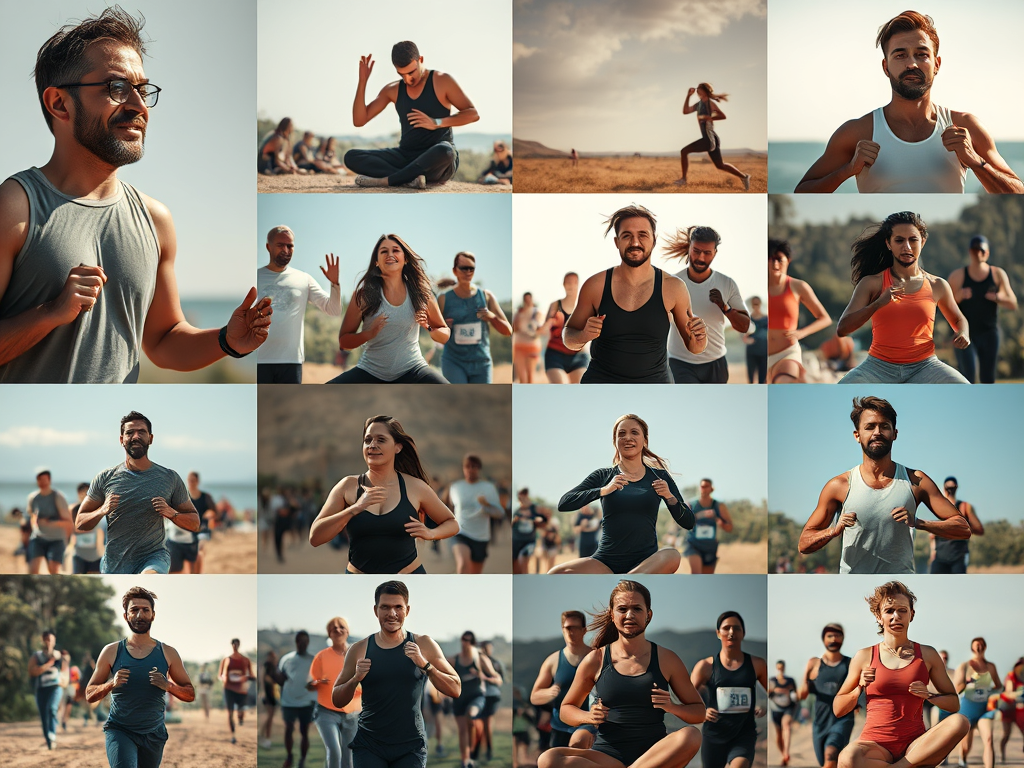
Your Biohacking Journey Begins
Biohacking isn’t about perfection—it’s about small, intentional steps to achieve peak performance. Try one biohack, like a cold shower or meditation, and track your progress. Over time, these changes compound into transformative health optimization.
Stay balanced: Embrace the potential but avoid unproven fads. Share your biohacking journey on X to inspire others!
Frequently Asked Questions (FAQ)
Q: Is biohacking safe for beginners?
A: Yes, beginner biohacking techniques like sleep optimization or walking are safe. Consult a doctor for advanced hacks like fasting or supplements.
Q: Do I need expensive tools to biohack?
A: No, many biohacking techniques, like meditation, are free. Wearables or tests are optional for health optimization.
Q: How long does it take to see biohacking results?
A: Simple hacks like better sleep show benefits in 1-2 weeks. Long-term users, like fasting, take months for peak performance.
Q: Can biohacking help with anxiety?
A: Mindfulness and exercise reduce stress and anxiety, but they’re not substitutes for professional mental health care.
Q: How do I know if a biohack is working?
A: Track metrics like energy, mood, or sleep quality with journals or apps. Adjust based on consistent trends.
Q: Are there risks to biohacking?
A: Yes, risks include high costs, health issues from extreme practices, or misinformation. Research and consult professionals.
Q: Can biohacking improve specific conditions like fatigue?
A: Optimizing sleep, nutrition, or exercise can boost energy, but consult a doctor for chronic fatigue or medical conditions.
Q: What’s the best biohack for beginners?
A: Start with sleep improvement—it’s free, impactful, and foundational for health improvement.
Disclaimer!
This article is written by an experienced health journalist for informational purposes only. Consult a healthcare professional before significantly changing your diet, exercise, or health practices.